02
Jul 2026
10 Enjoyable Activities That Help Seniors Stay Active and Connected
Published in General on July 02, 2026
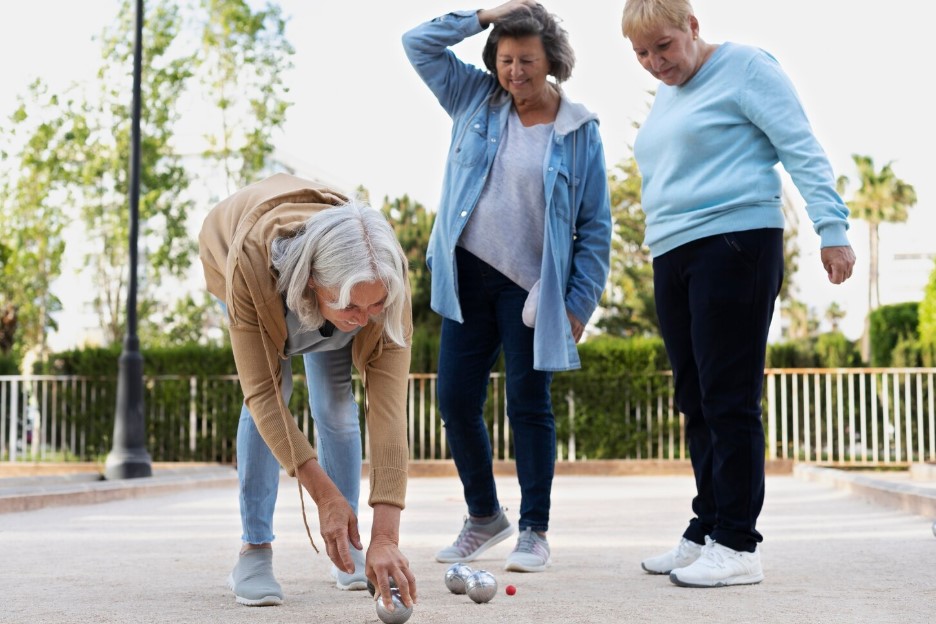
Staying active isn't just about exercise—it's about maintaining a sense of purpose, enjoying meaningful experiences, and staying connected with others. As people grow older, participating in enjoyable activities can support physical health, improve memory, reduce feelings of loneliness, and contribute to a happier, more independent lifestyle.
According to Relationships Australia Queensland, engaging in regular social, mental, and physical activities can help older adults maintain emotional wellbeing while lowering the risk of various health conditions. The best part is that many enjoyable hobbies require little experience, are affordable, and can easily be adapted to suit different mobility levels and interests.
Here are ten activity ideas that can help seniors make the most of every day.
1. Enjoy the Benefits of Music
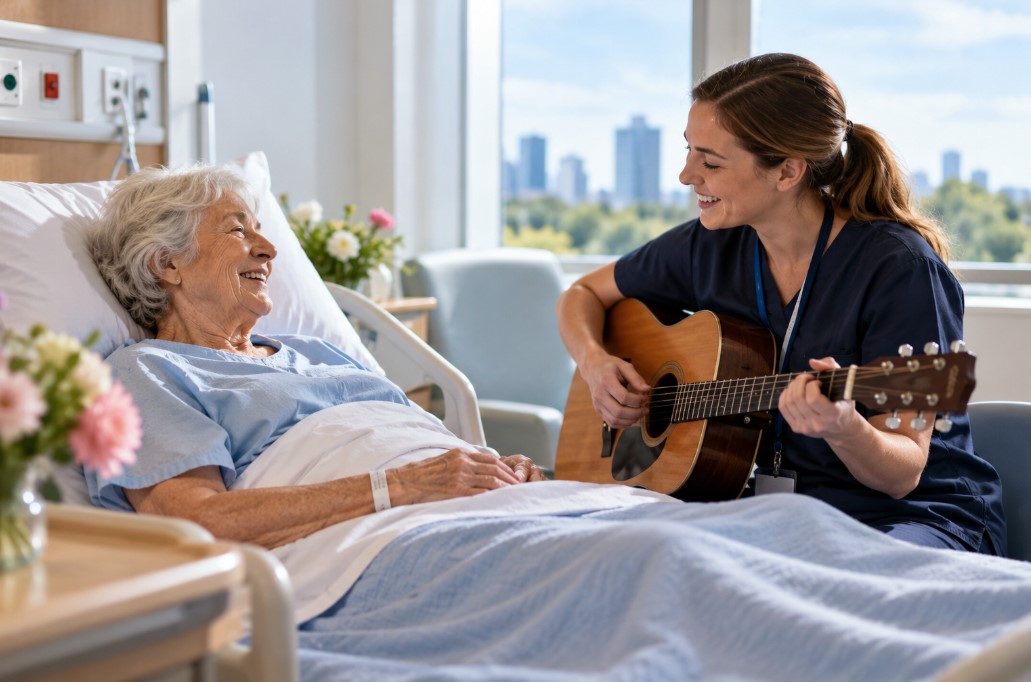
Music has a unique ability to stimulate the brain while lifting the mood. Singing favourite songs, joining a local choir, or enjoying karaoke sessions with family and friends can improve confidence while creating opportunities for social interaction.
Research suggests that music may also help support memory and cognitive function, particularly among older adults experiencing mild memory difficulties. Whether at home or in a community setting, music provides entertainment that brings people together.
2. Explore Creative Hobbies
Creative activities such as painting, colouring, knitting, pottery, photography, or crafting encourage self-expression while keeping the mind engaged. They also improve hand coordination and concentration.
Colour-by-number books and beginner art kits offer relaxing ways to unwind without requiring previous artistic experience. Completing creative projects provides a satisfying sense of accomplishment and can become a rewarding lifelong hobby.
3. Preserve Family Memories
Creating a scrapbook or building a family tree is both enjoyable and meaningful. Looking through old photographs, writing personal stories, and collecting family history encourage reminiscing while strengthening connections between generations.
This activity also provides an excellent opportunity for grandchildren to learn more about their family's history and traditions.
4. Stay Physically Active
Regular movement plays an essential role in healthy ageing. Walking, swimming, gentle yoga, tai chi, water aerobics, and dance classes help improve balance, flexibility, muscle strength, and cardiovascular health.
Many local community centres offer senior-friendly exercise classes designed specifically for older adults. Even moderate physical activity can help reduce the risk of falls while improving overall wellbeing.
5. Challenge Your Brain
Keeping the brain active is just as important as exercising the body. Crosswords, Sudoku, jigsaw puzzles, chess, word games, and memory challenges all encourage problem-solving and concentration.
Reading books, learning a new language, or trying online educational courses also stimulates cognitive function and promotes lifelong learning. Consistent mental activity has been associated with healthier ageing and greater cognitive resilience.
6. Try Interactive Technology
Technology offers many enjoyable ways for older adults to stay active. Motion-based games such as Nintendo Ring Fit or sports games encourage light exercise while making physical activity entertaining.
Video calls also help seniors remain connected with family and friends, especially when distance makes regular visits difficult. Learning new technology can increase confidence while opening the door to new hobbies and online communities.
7. Spend Time Outdoors
Fresh air and nature provide significant physical and emotional benefits. Gardening, birdwatching, walking through botanical gardens, or simply relaxing in a local park can reduce stress while encouraging gentle physical movement.
Even those with limited outdoor space can grow herbs, flowers, or vegetables in pots on a balcony or patio. Gardening provides both exercise and the satisfaction of watching plants flourish over time.
8. Learn Something New
Retirement often provides the perfect opportunity to explore new interests. Many seniors enjoy model building, woodworking, cooking classes, creative writing, photography, or learning to play a musical instrument.
Continuing to learn supports cognitive health while building confidence and providing opportunities to meet people with similar interests. Many Australian community groups and libraries offer affordable courses designed specifically for older adults.
9. Stay Social
Strong social connections contribute significantly to healthy ageing. Joining book clubs, walking groups, volunteering, dance classes, or community organisations helps reduce loneliness while building meaningful friendships.
One excellent example is Relationships Australia Queensland, which supports community wellbeing through programs that encourage positive relationships and social engagement for Australians of all ages. Participating in community activities provides emotional support while improving overall quality of life.
10. Travel and Explore New Places
Exploring new destinations doesn't always require travelling overseas. Visiting nearby museums, scenic parks, local markets, or cultural festivals creates enjoyable experiences while encouraging gentle physical activity.
For older adults travelling to Melbourne for medical appointments, treatment, or rehabilitation, choosing comfortable hospital accommodation in Melbourne can provide a convenient base for both recovery and leisure. Staying in fully furnished accommodation close to healthcare facilities allows patients and their families to enjoy local attractions, parks, cafés, and cultural experiences whenever their treatment schedule permits. Combining healthcare with opportunities to relax and explore can make extended stays more comfortable and less stressful.
Finding Joy in Everyday Life
Healthy ageing is about much more than maintaining physical health. Meaningful activities help preserve independence, improve emotional wellbeing, strengthen social connections, and keep both the body and mind active.
The most rewarding hobbies are often the ones that bring enjoyment rather than focusing solely on exercise or productivity. Whether it's singing with grandchildren, solving puzzles over morning coffee, tending a garden, joining a dance class, or simply enjoying a walk with friends, every activity contributes to a richer and more fulfilling lifestyle.
Growing older doesn't mean slowing down—it simply means discovering new ways to stay curious, connected, and engaged. By trying different hobbies and maintaining an active lifestyle, older Australians can continue creating meaningful experiences, building lasting friendships, and enjoying a higher quality of life for many years to come.