17
Jul 2026
Frailty May Offer an Earlier Warning Sign for Dementia
Published in News on July 17, 2026
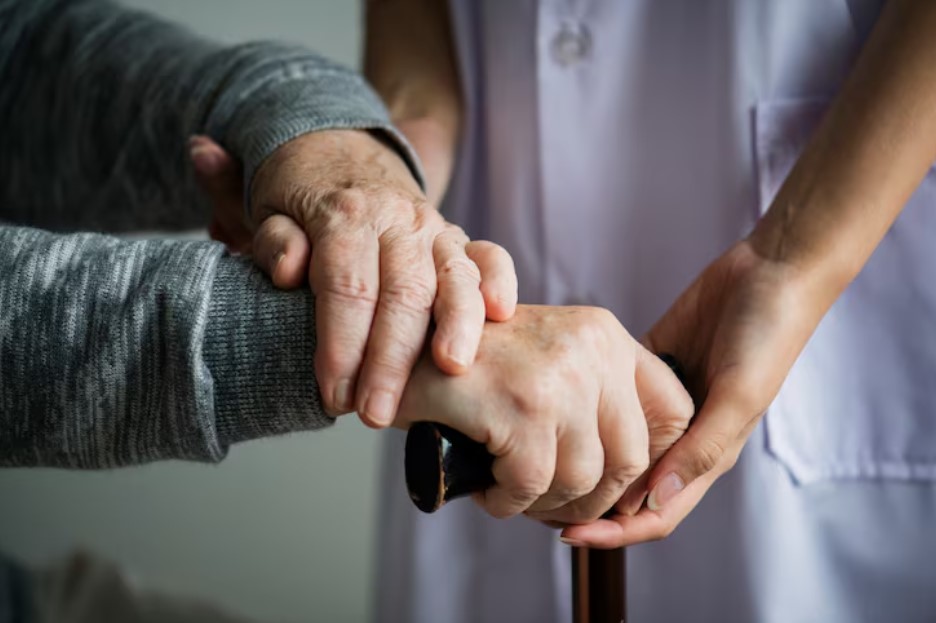
A major international study led by the University of Queensland has found that frailty may play a more significant role in the development and diagnosis of dementia than previously understood. The research suggests that older adults living with frailty may be diagnosed with dementia several years earlier than people who are physically more resilient, highlighting a potential opportunity for earlier assessment, intervention, and care planning.
Frailty is generally associated with reduced strength, slower movement, low energy, unintended weight loss, and greater vulnerability to illness or injury. It has often been viewed as a consequence of ageing or declining health. However, the new findings indicate that frailty may independently influence when dementia symptoms emerge and become clinically recognisable.
According to lead researcher Dr David Ward from the University of Queensland’s Frazer Institute, the study found that older adults considered frail were diagnosed with dementia approximately two to three years earlier than those with lower levels of frailty. The difference was even greater among participants who showed relatively few of the brain abnormalities commonly associated with dementia. Within this group, those living with frailty developed dementia five to six years earlier.
This finding is particularly important because people with fewer dementia-related changes in the brain would normally be expected to develop symptoms later. However, researchers found that frailty appeared to reduce this potential protection. Frail participants with fewer brain changes developed dementia at a similar age to people who had more extensive abnormalities. Only those with low frailty levels appeared to receive the full protective benefit associated with having fewer brain changes.
The study examined long-term data from more than 1,600 participants involved in the Memory and Aging Project, coordinated by Rush University in the United States. Researchers followed participants for up to 24 years, allowing them to compare changes in physical health, frailty, brain pathology and dementia diagnoses over an extended period. The association between frailty and earlier dementia diagnosis remained consistent across the groups studied, although researchers reported that the effect appeared stronger among men.
Researchers also examined whether genetic risk changed the relationship between frailty and dementia. The APOE ε4 gene variant is widely associated with a greater likelihood of developing Alzheimer’s disease. However, the study found that frailty affected people with and without this genetic marker in a similar way, suggesting that physical vulnerability may be an important consideration regardless of inherited risk.
One of the most encouraging aspects of the research is that frailty is not always permanent or unavoidable. Unlike some dementia risk factors, frailty can often be prevented, reduced or managed through appropriate support. Regular exercise, particularly strength and resistance training, may help older adults preserve muscle mass, balance and mobility. Good nutrition and continued social engagement can also support physical resilience and general wellbeing.
These findings may encourage healthcare providers to include routine frailty assessments as part of care for older patients. Simple evaluations of walking speed, grip strength, mobility, energy levels, nutrition and daily functioning could help identify people who may require additional cognitive monitoring or preventive support.
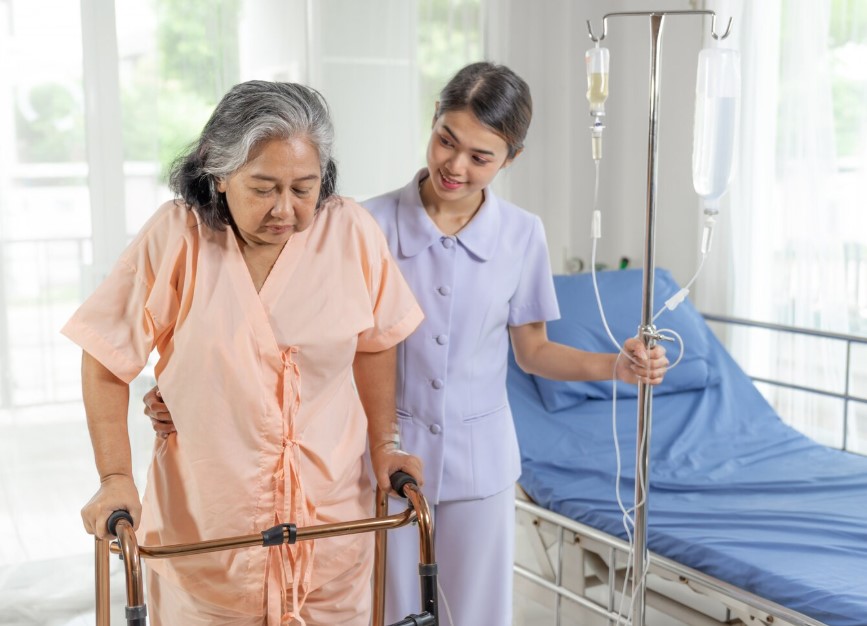
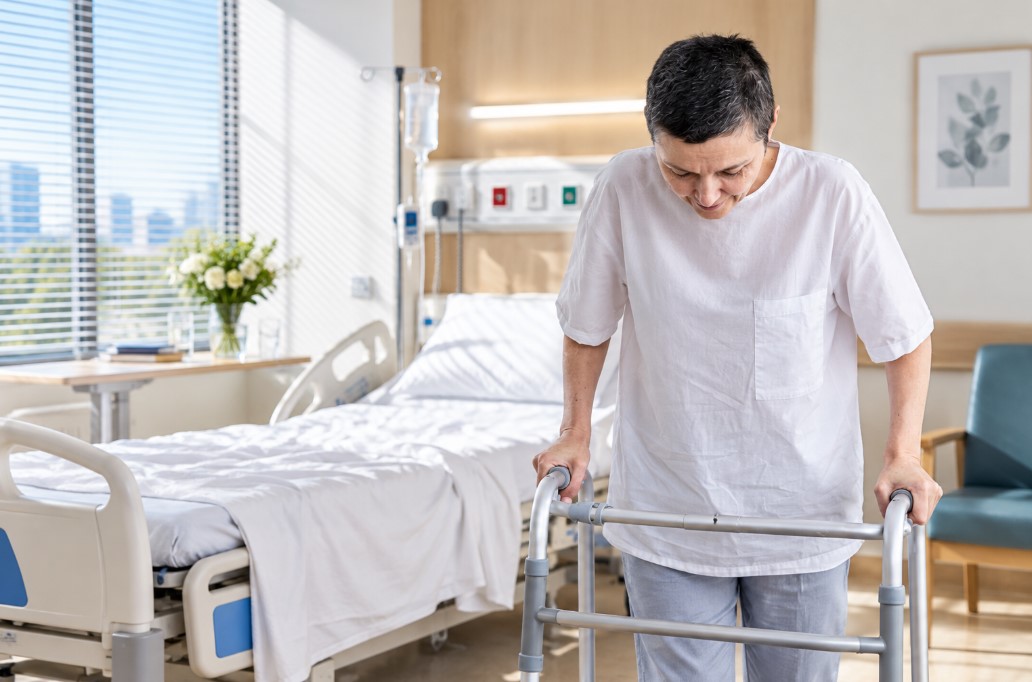
For patients entering hospital, frailty screening can be especially valuable. A hospital admission may follow a fall, infection, surgery, medication complication or worsening chronic illness. These events can place additional pressure on an older person’s physical reserves. Recognising frailty early allows healthcare teams to consider mobility assistance, nutrition, physiotherapy, medication reviews and discharge support as part of a more complete care plan.
The research also has implications for recovery after hospital treatment. Older patients living with frailty may need more time and assistance before returning to their normal routine. A discharge plan may include rehabilitation, follow-up appointments, home modifications or help with everyday activities. Families should ask the treating team whether frailty has been assessed and what practical steps could improve strength and independence.
When patients must travel for specialist assessment, rehabilitation or neurological care, suitable hospital accommodation can support the transition between inpatient treatment and returning home. Apartment-style accommodation near the treating hospital can offer a quieter and more flexible environment, with separate bedrooms, kitchen facilities and space for a family member or carer. Remaining nearby can also make follow-up consultations and therapy appointments easier to manage.
Families should not assume that increasing weakness, slower walking or reduced activity are simply unavoidable parts of growing older. These changes may indicate frailty and should be discussed with a general practitioner or specialist, particularly when accompanied by memory problems, confusion, changes in judgement or difficulty managing daily responsibilities.
The study does not mean that every person living with frailty will develop dementia. Instead, it identifies frailty as a potentially valuable clinical marker that could help healthcare professionals recognise elevated risk earlier. Further research will be important in determining whether reducing frailty can directly delay dementia or improve long-term cognitive outcomes.
Nevertheless, the findings strengthen the connection between physical and cognitive health. Supporting strength, mobility, nutrition and social participation may help older adults remain independent while giving clinicians another opportunity to identify people who could benefit from earlier dementia assessment. For patients, families and hospital care teams, recognising frailty may become an increasingly important part of planning for healthier ageing and more personalised care.