28
Feb 2026
Hospital Stays in Today’s Healthcare System: What’s Changing
Published in General on February 28, 2026
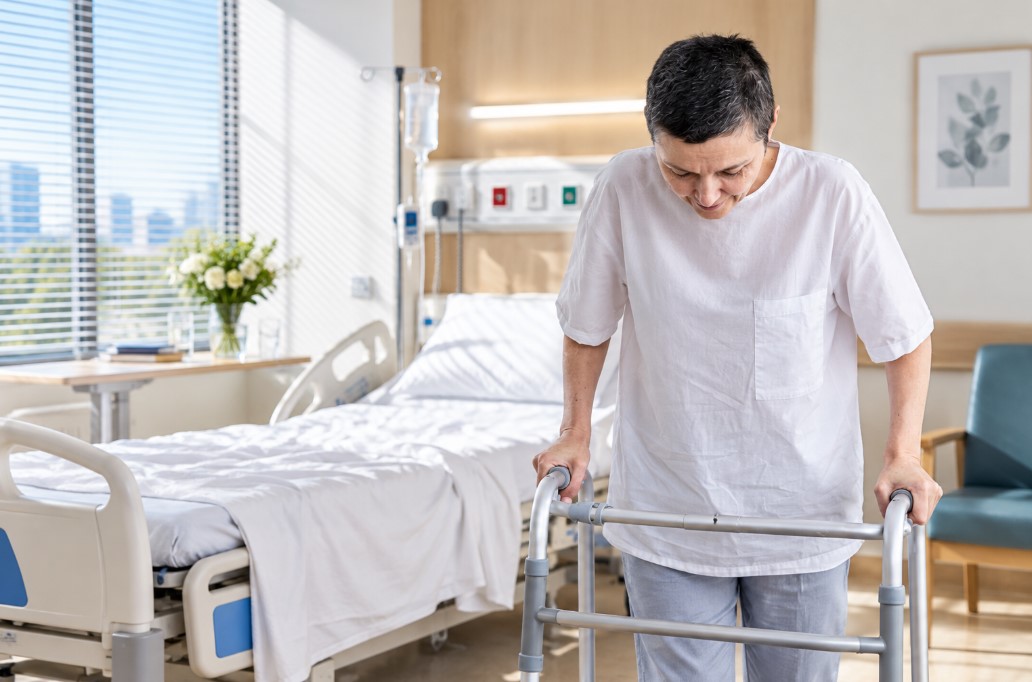
Hospital care has evolved significantly over the past few decades. Advances in medical technology, improved treatment methods, and changing patient expectations are transforming how hospitals operate and how patients experience care. Today’s healthcare systems are increasingly focused on efficiency, comfort, and patient-centred services, which means hospital stays often look very different from what they did in the past. Understanding these changes can help patients and families better prepare for medical treatment and recovery.
Shorter Hospital Stays
One of the most noticeable changes in modern healthcare is the shift toward shorter hospital stays. With advancements in surgical techniques, minimally invasive procedures, and improved medications, many treatments that once required lengthy hospitalisation can now be performed in a shorter timeframe.
Patients undergoing surgery today often spend less time recovering in hospital wards and may even return home the same day for certain procedures. Outpatient surgeries and day treatments have become increasingly common, allowing patients to recover in more comfortable environments outside the hospital.
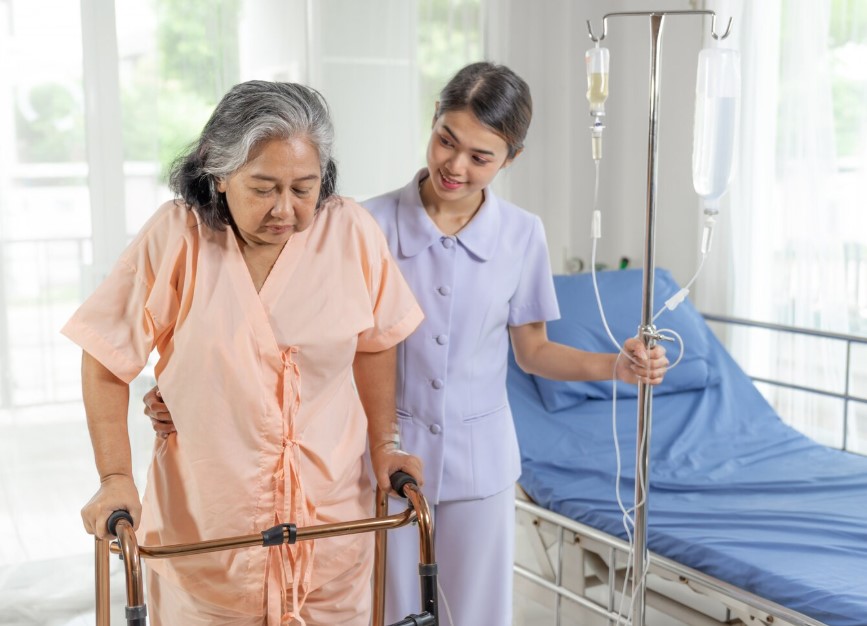
While shorter stays can be beneficial, they also mean patients and families must carefully plan for recovery once they leave the hospital. This includes ensuring proper care, rest, and monitoring after discharge.
Technology Transforming Patient Care
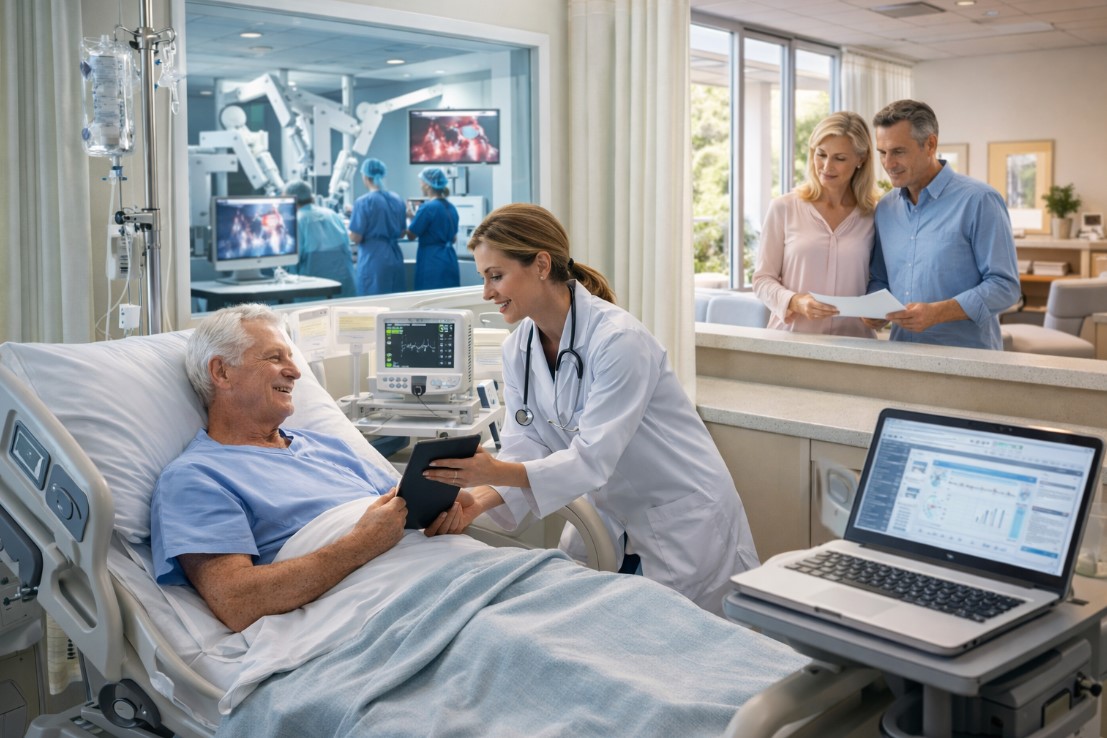
Technology is playing a central role in shaping the modern hospital experience. Digital health records, advanced diagnostic tools, and remote monitoring systems are helping healthcare providers deliver more accurate and efficient care.
Doctors can now access patient information instantly, allowing them to make quicker decisions about treatments and medications. Imaging technologies such as advanced MRI and CT scans enable faster diagnosis, reducing the time patients spend waiting for results.
Telehealth services are also expanding the reach of medical care. In many cases, follow-up consultations and routine check-ins can be conducted remotely, reducing the need for additional hospital visits.
These technological improvements not only streamline healthcare processes but also help patients receive timely and coordinated care.
A Greater Focus on Patient Comfort
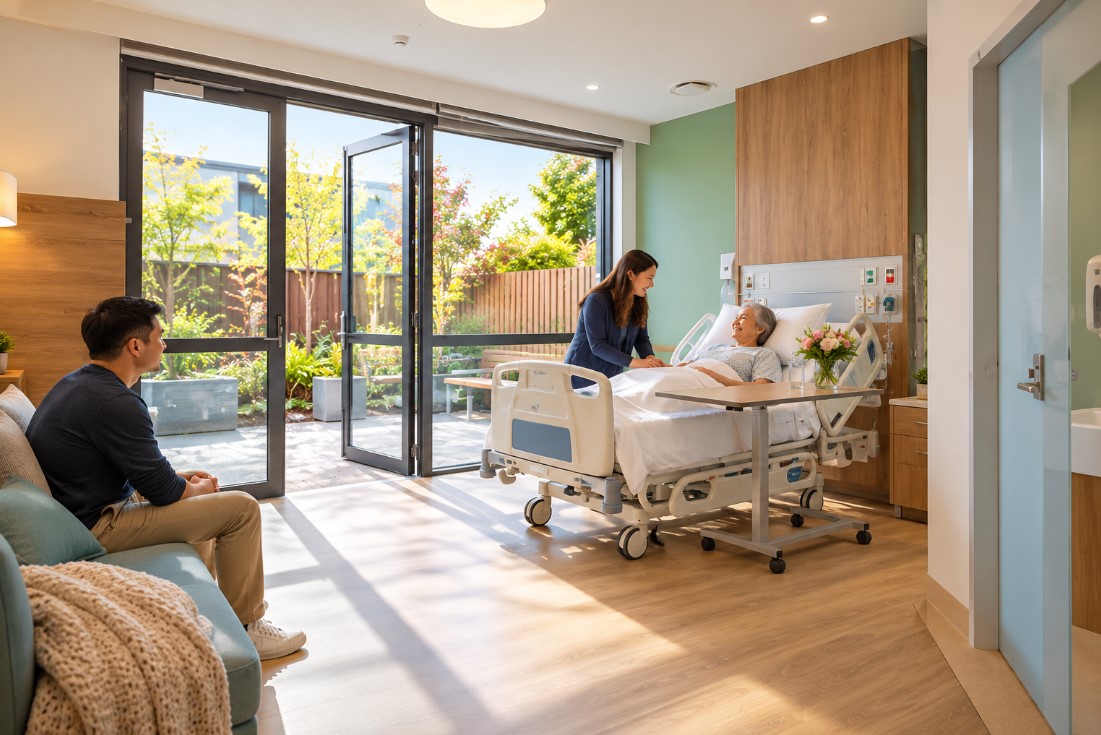
Modern healthcare systems are increasingly recognising the importance of patient comfort during hospital stays. Hospitals are designing spaces that promote healing by incorporating natural light, quiet areas, and more comfortable patient rooms.
Many healthcare facilities now provide private rooms, improved meal services, and family-friendly visiting spaces. These changes help create a calmer and more supportive environment for patients during recovery.
The goal is to treat not only the medical condition but also the overall well-being of the patient. When patients feel comfortable and supported, they are more likely to recover effectively and maintain a positive outlook during treatment.
The Role of Families and Caregivers
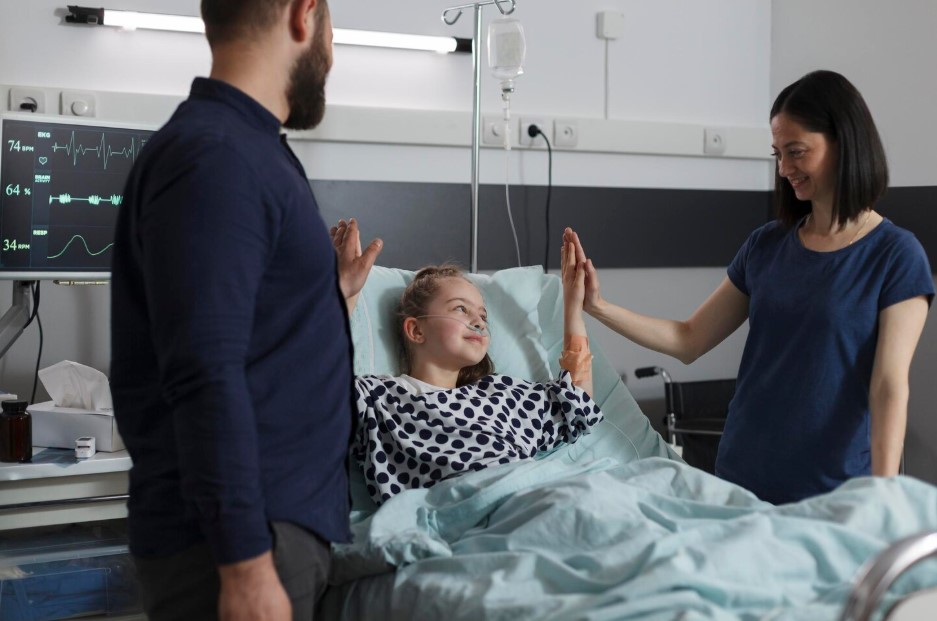
Another shift in healthcare is the growing recognition of the role families and caregivers play in the healing process. Hospitals are encouraging greater involvement from loved ones, allowing them to participate in discussions about treatment plans and recovery strategies.
Family members often provide emotional support, assist with communication between patients and medical staff, and help manage care once the patient leaves the hospital. In many cases, hospitals now offer flexible visiting hours or designated family areas to support this involvement.
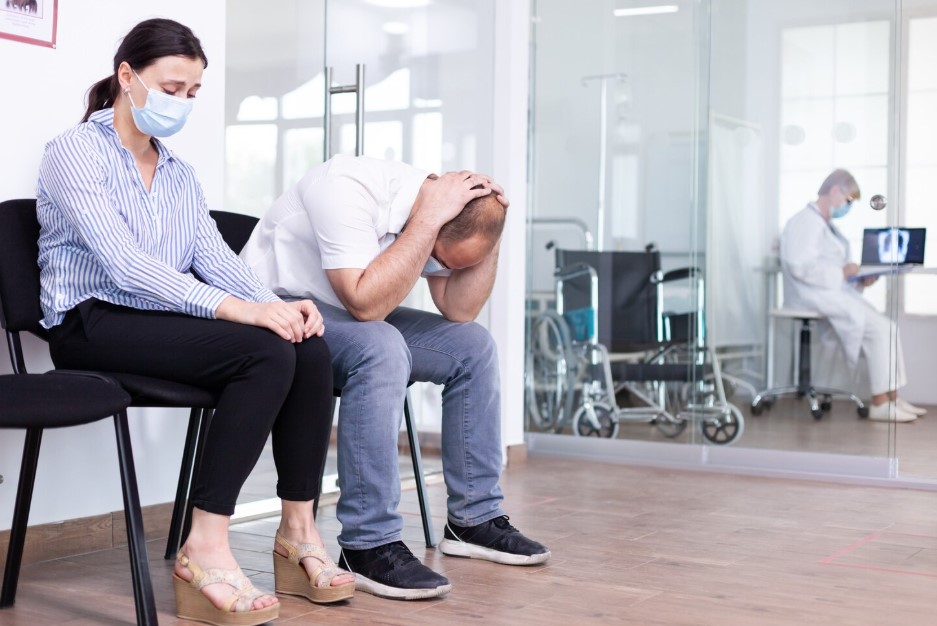
However, supporting a loved one during hospitalisation can also be challenging. Families may need to remain close to the hospital for extended periods, especially when treatments last several days or weeks.
Care Beyond the Hospital Walls
Healthcare providers are increasingly focusing on continuity of care beyond the hospital itself. Discharge planning has become an important part of treatment, ensuring patients have the support they need once they leave the hospital.
This may involve follow-up appointments, home healthcare services, rehabilitation programs, or community support services. The aim is to create a smooth transition from hospital treatment to recovery at home or in another supportive environment.
For patients who travel for specialised treatment or extended care, having suitable hospital stays accommodation nearby can make this transition much easier. Convenient accommodation allows patients and their families to stay close to healthcare facilities while maintaining a comfortable living environment during treatment.
Specialised Care for Complex Conditions
Healthcare systems are also becoming more specialised. Many hospitals now offer dedicated units for specific conditions such as cancer treatment, cardiac care, and rehabilitation therapy.
These specialised departments bring together teams of experts who focus on particular areas of medicine. Patients benefit from coordinated care provided by professionals with advanced knowledge and experience in treating complex health conditions.
Specialized facilities often incorporate modern treatment technologies and tailored care programs designed to improve recovery outcomes.
Preparing for the Future of Healthcare
As healthcare continues to evolve, hospital stays will likely continue to change. Innovations such as artificial intelligence, personalised medicine, and wearable health devices are expected to further transform how care is delivered.
Hospitals may increasingly rely on predictive technology to monitor patient health and detect potential issues earlier. At the same time, more treatments may shift toward outpatient care, reducing the need for long hospital admissions.
These changes reflect a broader goal within healthcare systems worldwide: delivering high-quality care while improving patient experiences and outcomes.
A New Approach to Hospital Care
Hospital stays today are becoming more efficient, patient-focused, and technology-driven. While medical advancements are reducing the time many patients spend in the hospital, they are also creating new opportunities for more personalised and coordinated care.
For patients and families navigating the healthcare system, understanding these changes can help them better prepare for medical treatment and recovery. By focusing on comfort, accessibility, and supportive care environments, modern healthcare is working to ensure that hospital experiences are not only effective but also compassionate.
Ultimately, the evolution of hospital care highlights an important shift in healthcare philosophy—one that places patients and their wellbeing at the centre of every decision.