12
May 2026
How Serviced Apartments Support Long-Term Hospital Stays
Published in Health Tips on May 12, 2026

Long hospital stays can be physically, emotionally, and financially challenging for both patients and their families. Whether someone is undergoing ongoing treatment, rehabilitation, surgery recovery, or specialist care, spending weeks or months away from home often creates additional stress beyond the medical situation itself. In many cases, family members travel long distances to remain close to loved ones during treatment, while some patients require accommodation before, during, or after hospital admission.
As healthcare needs continue to evolve, serviced apartments are increasingly becoming a preferred accommodation option for people requiring long-term hospital stays in Melbourne. Offering more space, privacy, flexibility, and home-style comforts than traditional hotel rooms, serviced apartments provide a practical solution for patients, carers, and families seeking stability during difficult times.
Melbourne is home to some of Australia’s leading medical facilities, including The Royal Melbourne Hospital, Alfred Health, Peter MacCallum Cancer Centre, and Monash Health. These hospitals attract patients from regional Victoria, interstate locations, and even overseas, many of whom require accommodation for extended periods while receiving treatment.
Unlike short overnight hospital visits, long-term medical care often requires patients and families to establish temporary routines. Serviced apartments help bridge the gap between hospital care and home life by offering fully equipped living environments designed for extended stays. Features such as full kitchens, laundry facilities, separate living areas, Wi-Fi access, and multiple bedrooms can significantly improve comfort and convenience during recovery periods.
One of the biggest advantages of serviced apartments is the additional space they provide. Traditional hotel rooms can feel restrictive and impractical during extended stays, particularly when carers or family members are also involved. A serviced apartment allows patients and their support networks to maintain a more comfortable daily routine, including preparing meals, resting privately, and managing work or study commitments remotely.
Nutrition and routine are especially important during recovery from illness or surgery. Having access to a kitchen allows guests to prepare healthier meals that suit dietary requirements and medical recommendations. This can be particularly valuable for patients recovering from treatment, older adults, or those with chronic health conditions requiring specialised diets.
Laundry facilities are another overlooked but highly important benefit during long hospital stays. Patients and carers often need regular clothing changes, bedding washes, or medical garment cleaning. In-room laundry access removes the inconvenience and cost associated with external laundry services or repeated hotel housekeeping requests.
Flexibility is also a major factor. Medical treatment plans can change unexpectedly, with appointments extended, surgeries delayed, or recovery periods lengthened. Serviced apartments generally offer more adaptable booking arrangements than traditional accommodation providers, making it easier for families to adjust their stay according to evolving medical needs.
Privacy and emotional wellbeing also play an important role in recovery. Hospitals can be stressful environments, particularly during lengthy admissions or treatment cycles. Having a private apartment nearby gives patients and carers a peaceful space to rest and recharge outside the clinical setting. This balance between treatment and personal comfort can contribute positively to emotional health during difficult periods.
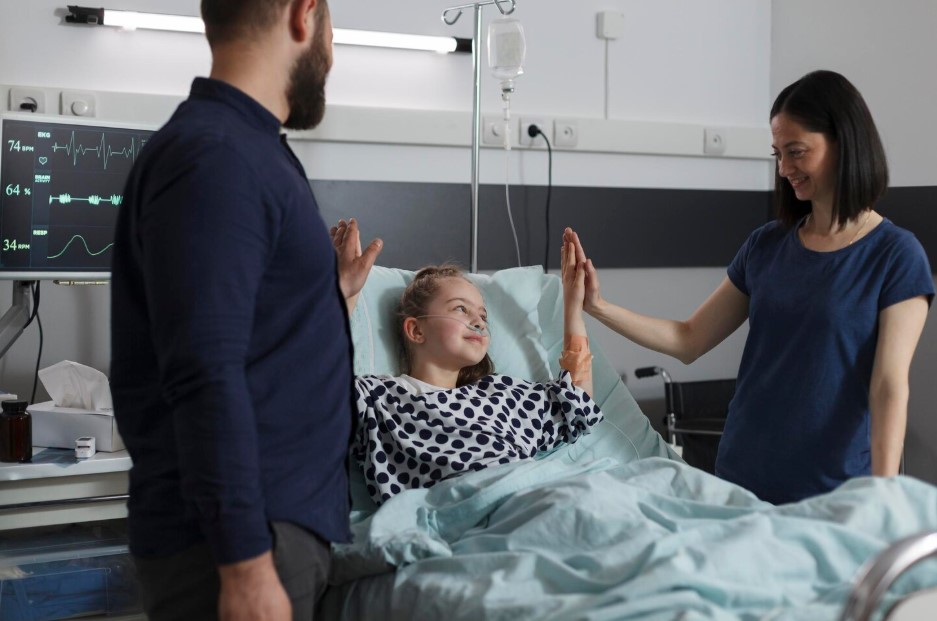
For families supporting loved ones in hospital, serviced apartments can also reduce the emotional strain of separation. Parents supporting children receiving treatment, partners caring for spouses, or adult children assisting elderly parents often need accommodation close to medical facilities for weeks or months at a time. Staying nearby allows family members to remain actively involved in care while still maintaining some sense of normality.
Location is another important consideration. Many fully furnished serviced apartments in Melbourne are situated close to major hospitals, public transport, supermarkets, pharmacies, and essential services. Areas such as Southbank, Melbourne CBD, Carlton, East Melbourne, and St Kilda provide convenient access to leading healthcare precincts while offering a comfortable residential environment.
For interstate and regional patients, accommodation costs during extended treatment can quickly become overwhelming. Serviced apartments often provide better long-term value compared to standard hotels because they include utilities, kitchen facilities, and self-contained amenities within a single rate. This can help reduce additional expenses associated with dining out, laundry services, and transportation.
Corporate accommodation providers and serviced apartment operators have also adapted to meet the needs of medical travellers more effectively. Many now offer flexible check-in arrangements, extended-stay packages, family-friendly apartment layouts, and quieter residential environments suited to recovery and rest.
The growing demand for long-term hospital stays in Melbourne is also linked to advances in healthcare. More treatments are now delivered through outpatient programs, rehabilitation services, and ongoing specialist care rather than continuous inpatient admission. As a result, many patients require accommodation near hospitals without necessarily remaining admitted full-time.
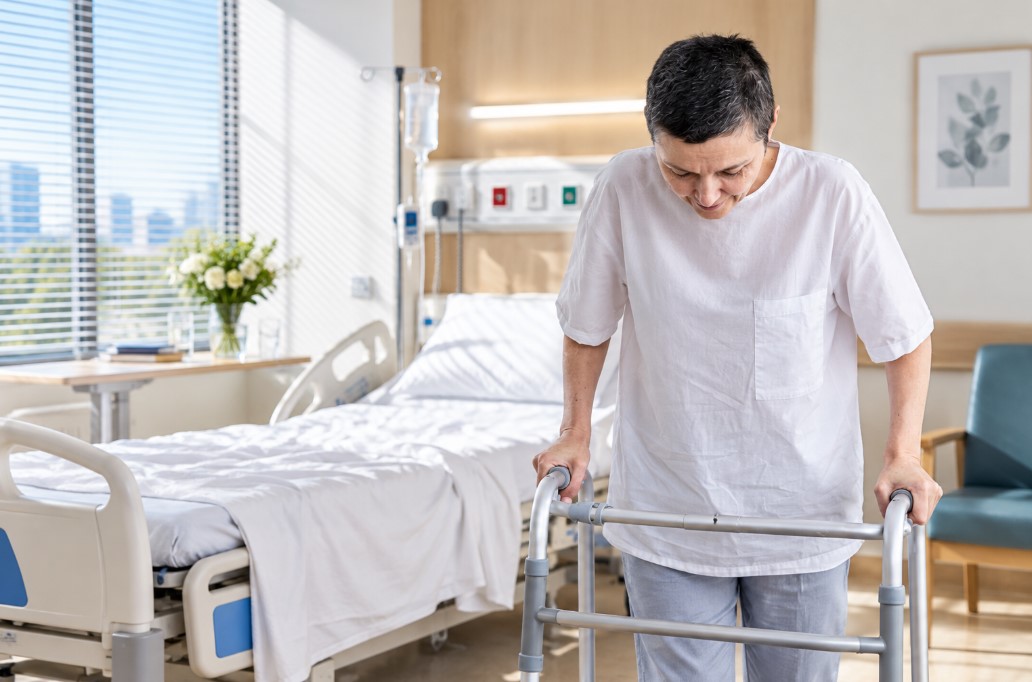
Older Australians are another group increasingly benefiting from serviced apartment accommodation during medical treatment. Ageing populations, rehabilitation needs, and specialist appointments often require extended visits to metropolitan healthcare facilities. Comfortable accommodation that supports mobility, independence, and routine can make a significant difference during recovery.
Importantly, serviced apartments offer something many patients and carers value most during challenging times: a sense of home. While no accommodation can replace familiar surroundings completely, having access to a private, comfortable, and fully equipped living space can provide emotional stability during periods of uncertainty.
As Melbourne continues to grow as a leading healthcare destination, the role of serviced apartments in supporting medical travel and recovery is likely to become even more important. For patients, carers, and families navigating extended treatment journeys, these accommodation options provide more than simply a place to stay — they offer comfort, flexibility, privacy, and support when it matters most.