17
Aug 2026
Next-Generation Hearing Aid Technology Brings AI Into Everyday Listening
Published in News on August 17, 2026
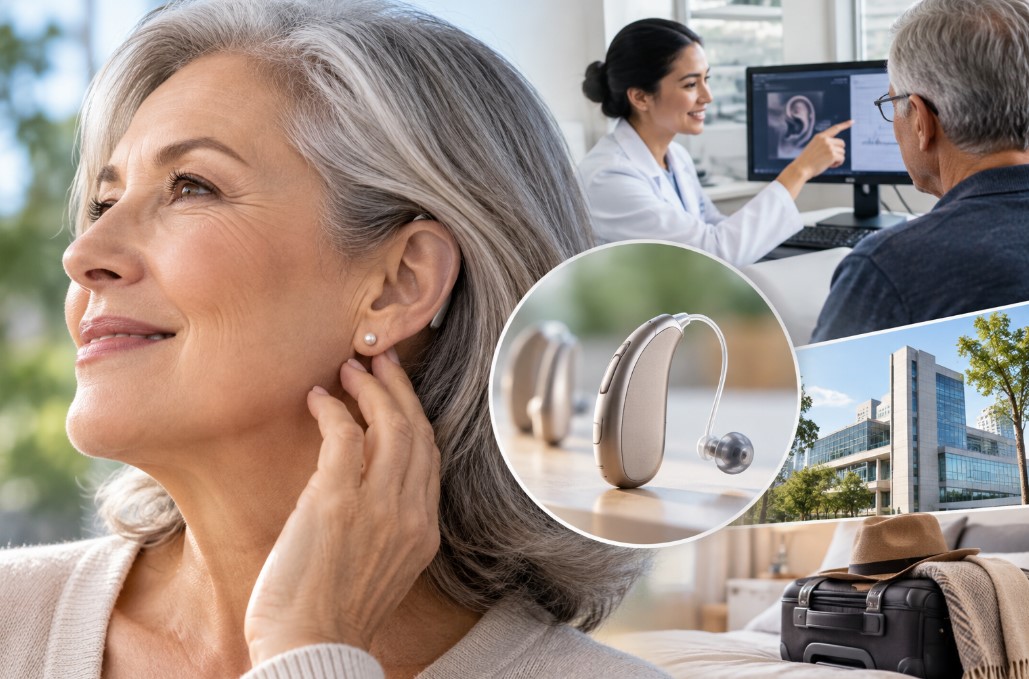
Hearing aid technology continues to evolve rapidly, with manufacturers focusing not only on sound quality but also on comfort, battery performance, connectivity and the ability to understand speech in challenging environments. A new generation of devices is now bringing more sophisticated artificial intelligence directly into hearing aids, potentially making everyday listening easier for people with hearing loss.
Swiss hearing-care company Phonak has introduced its new Infinio Ultra platform, which includes updated hearing aids designed to improve speech understanding while offering a smaller and lighter form factor. At the centre of the technology is Phonak’s dedicated AI processing approach, demonstrating how increasingly powerful computing can be incorporated into devices small enough to sit discreetly behind the ear.
Why Speech Understanding Matters
For many people with hearing loss, increasing volume is only part of the solution. One of the more difficult challenges can be separating speech from surrounding noise.
Restaurants, family gatherings, shopping centres and busy public spaces can contain multiple overlapping sounds. Traditional amplification may make these sounds louder without necessarily making the person speaking easier to understand.
Modern hearing aids increasingly use sophisticated processing to identify speech and reduce competing background noise. AI-assisted technology can analyse the listening environment and make rapid adjustments based on changing sound conditions.
This is particularly useful when a person moves between different environments throughout the day. A quiet conversation at home requires different processing from a discussion in a busy café or while walking along a windy street.
Smaller Technology With Greater Processing Power
One of the challenges facing hearing aid manufacturers is fitting increasingly powerful technology into devices that remain comfortable and unobtrusive.
The latest Phonak developments aim to combine advanced processing with a more compact design. Smaller and lighter devices can be particularly valuable for people who wear hearing aids throughout the day, as comfort can influence whether someone uses their devices consistently.
The technology also reflects a broader trend across healthcare: sophisticated computing is becoming increasingly integrated into small, wearable devices. Instead of relying exclusively on external processing, more calculations can happen within the hearing aid itself.
This allows the device to respond quickly as the surrounding sound environment changes.
AI Is Becoming Part of Hearing Care
Artificial intelligence in hearing aids is not simply about adding a fashionable technology label. Its practical value depends on whether it can improve real-world listening.
AI-based processing can help a hearing aid recognise patterns within complex sound environments. The device can then apply appropriate settings designed to prioritise speech or manage unwanted noise.
However, technology is only one part of successful hearing management. Hearing loss varies considerably between individuals, and a device that works well for one person may not be appropriate for another.
Professional hearing assessments and correctly fitted devices therefore remain important. Audiologists and other qualified hearing professionals can evaluate hearing needs and adjust devices according to an individual's hearing profile, lifestyle and communication requirements.
Accessing Specialist Hearing Services
People experiencing changes in their hearing may benefit from seeking professional assessment rather than simply increasing the volume of televisions, phones or headphones. Hearing changes can have many causes, and appropriate assessment can help determine what type of support may be suitable.
For Victorians requiring specialist ear and hearing services, the Royal Victorian Eye and Ear Hospital in Melbourne provides specialist clinical care across eye and ear health. Patients travelling from regional or interstate locations for appointments should confirm their clinic location, appointment requirements and expected follow-up schedule directly with their healthcare provider before making travel arrangements.
Specialist treatment can sometimes involve more than one visit, particularly when diagnostic testing, procedures or follow-up consultations are required.
Connectivity Has Become Increasingly Important
Modern hearing aids are also becoming connected communication devices.
Depending on the model and compatibility, hearing aids may connect with smartphones, televisions and other devices, allowing audio to be streamed directly to the wearer. This can make phone calls, video conversations and entertainment easier to follow.
Connectivity is particularly relevant as communication increasingly moves between face-to-face and digital environments. Someone may begin the day in a workplace meeting, answer calls while travelling and later participate in a video conversation with family.
A hearing aid capable of working across these situations can provide a more consistent listening experience.
Battery Performance Supports Everyday Use
Battery life is another important consideration, especially for people who rely on hearing aids throughout the day. Rechargeable technology has reduced dependence on disposable batteries, but users still need confidence that their devices can last through normal daily activities.
Improvements in power efficiency are therefore important alongside advances in processing. Powerful AI features are only practical if they do not require users to recharge devices constantly.
For travellers, battery reliability can become even more important. Long flights, airport delays, medical appointments and full days away from accommodation can all extend the amount of time hearing aids are required.
Planning for Hearing-Related Medical Visits
People travelling for specialist hearing appointments should consider the practical side of their visit as early as possible. Transport, appointment times, mobility requirements and the possibility of follow-up consultations can influence where and how long someone needs to stay.
Using an accommodation option guide can help patients and accompanying family members compare choices according to practical requirements rather than price alone. For longer medical visits, useful considerations can include proximity to the hospital, public transport connections, kitchen and laundry facilities, accessibility, parking, Wi-Fi and flexible booking conditions.
A furnished apartment may be useful when treatment involves multiple appointments because it provides space to rest and maintain everyday routines between hospital visits.
Technology Should Support Individual Needs
The development of smaller hearing aids with increasingly sophisticated AI illustrates how quickly hearing technology is progressing. Better processing, improved noise management, connectivity and more efficient batteries can all contribute to a more practical everyday experience.
Yet choosing hearing technology should remain an individual decision made according to clinical needs and professional advice rather than specifications alone.
For people experiencing hearing difficulties, the most useful first step is often a proper assessment. From there, modern technology can provide increasingly personalised options designed around how people actually communicate, work, travel and live.
As AI continues to develop, the next generation of hearing aids is likely to become even more adaptive. The most meaningful measure of progress, however, will remain simple: whether these technologies help people communicate more comfortably and confidently in the situations that matter to them.