05
Mar 2026
Preparing Your Home and Mind Before a Hospital Admission
Published in Health Tips on March 05, 2026
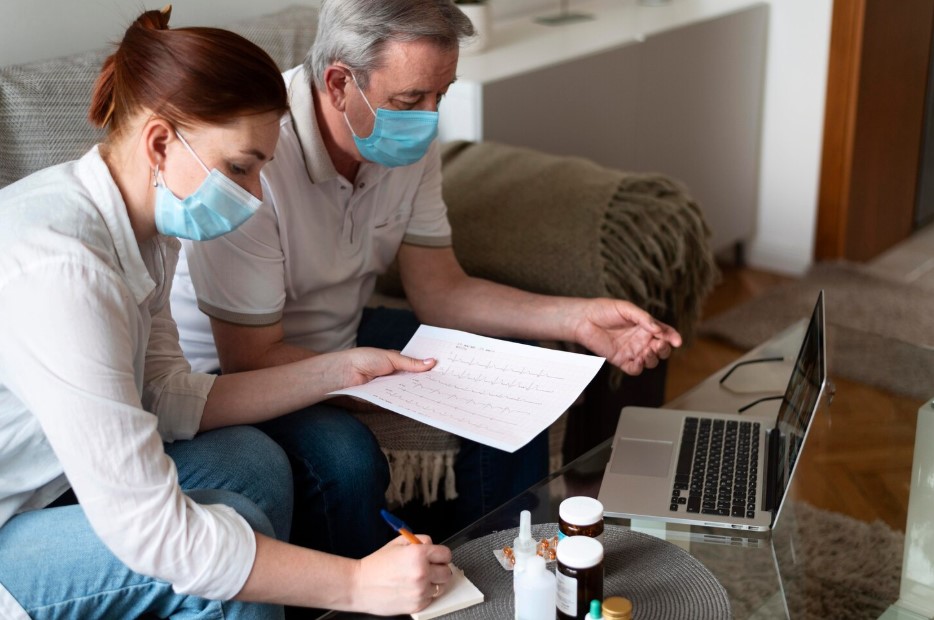
Facing a hospital admission—whether planned or unexpected—can feel overwhelming. Many people focus primarily on the medical procedure or treatment itself, but preparing your home and mindset before entering the hospital can make the experience far less stressful. Taking time to organise practical matters, prepare your living space, and mentally prepare for the hospital stay can help you focus on recovery and healing.
Proper preparation not only benefits patients but also helps family members and caregivers manage responsibilities while you are away. By planning ahead, you can reduce anxiety and ensure that your transition from hospital to home is as smooth as possible.
Organising Essential Documents and Information
One of the first steps before a hospital admission is organising important documents. Hospitals often require identification, medical records, insurance details, and emergency contact information during admission. Having these documents readily available can simplify the check-in process and avoid unnecessary stress.
Consider preparing a small folder that includes your identification, health insurance card, referral documents from your doctor, and any recent medical reports or prescriptions. It is also helpful to write down a list of current medications, including dosages and schedules, so medical staff can easily review your treatment history.
Additionally, keep contact information for your primary care physician, family members, and caregivers in the same folder. This ensures that both hospital staff and your loved ones can easily reach the right people if needed.
Preparing Your Home Before You Leave
Leaving home for a hospital stay—even for a few days—requires some preparation to ensure everything remains safe and organised while you are away. Simple steps such as cleaning the house, taking out the trash, and storing perishable food can prevent unnecessary issues when you return home.
If you have pets, plants, or household responsibilities, arrange for someone to assist while you are in the hospital. A trusted friend, neighbour, or family member can help care for pets, water plants, collect mail, or check on your home periodically.
Many people also choose to prepare their home for recovery before leaving. Setting up a comfortable resting area, organising essential items within easy reach, and preparing simple meals ahead of time can make the transition back home much easier.
Packing a Hospital Bag
Packing a hospital bag in advance ensures you have everything you need for your stay. While hospitals provide many basic necessities, bringing a few personal items can make your experience more comfortable.
Common items to include in a hospital bag are comfortable clothing, personal hygiene products, phone chargers, reading materials, and a small notebook for writing down information from doctors or nurses. Some patients also bring slippers, a robe, or a favourite blanket to create a more familiar environment.
It is also helpful to pack items that help pass the time, such as books, music, or a tablet. Hospital stays often involve waiting periods, and having entertainment available can make the experience more manageable.
Preparing Mentally for a Hospital Stay
Mental preparation is just as important as physical preparation. Many people experience anxiety or uncertainty before hospital admissions, particularly if surgery or medical procedures are involved.
Taking time to learn about the procedure or treatment can help reduce fear of the unknown. Speaking with your healthcare provider about what to expect during the hospital stay, recovery process, and possible side effects can provide reassurance and clarity.
Relaxation techniques such as deep breathing, meditation, or light exercise may also help manage stress before admission. Maintaining a calm and positive mindset can make a significant difference in how patients experience medical care and recovery.
Communicating With Family and Support Networks
Another important step before a hospital admission is informing family members or close friends about your plans. Let them know the date of your admission, expected duration of your hospital stay, and how they can assist if needed.
Support from loved ones can play an important role in emotional well-being during hospital stays. Even small gestures—such as phone calls, visits, or helping with errands—can provide comfort and encouragement.
If you live alone, consider arranging for someone to check in on you after you return home. Having a support system in place can make recovery more manageable and help you feel less isolated.
Planning Accommodation for Family Members
In some cases, hospital treatment requires patients to travel away from their home city. When this happens, family members often need nearby accommodation so they can visit or assist during recovery.
Many families look for hospital stays accommodation close to medical facilities, especially when treatments require extended stays or frequent appointments. Serviced apartments and extended-stay accommodations can provide a more comfortable and flexible environment compared to traditional hotel rooms, offering amenities such as kitchens, laundry facilities, and separate living spaces.
Having suitable accommodation nearby allows family members to remain close and provide support without the stress of long-distance travel.
Preparing for Recovery After Discharge
Preparing for life after hospital discharge is another important part of planning. Depending on the medical procedure, you may need assistance with daily tasks such as cooking, cleaning, or transportation.
If possible, arrange for help during the first few days of recovery. Stocking up on groceries, organising medications, and preparing comfortable resting areas can make a significant difference when you return home.
Follow-up appointments with doctors or specialists may also be required, so it is helpful to plan transportation and schedule reminders in advance.
Final Thoughts
Preparing your home and mind before a hospital admission can greatly reduce stress and help you focus on healing. By organising documents, preparing your living space, packing essential items, and building a support network, you create a smoother experience both during and after your hospital stay.
Although medical procedures can feel daunting, thoughtful preparation provides a sense of control and reassurance. With careful planning and support from loved ones, you can approach your hospital admission with greater confidence and peace of mind—allowing you to concentrate on what matters most: recovery and well-being.