19
Mar 2026
Rising Hospital Admissions: What It Means for Patients and Families
Published in General on March 19, 2026

In recent years, healthcare systems around the world have experienced a noticeable rise in hospital admissions. Whether driven by aging populations, chronic health conditions, or unexpected health crises, this trend is reshaping how patients and families experience care. While hospitals continue to adapt, the impact on individuals goes far beyond clinical treatment—affecting emotional wellbeing, financial stability, and daily routines.
Understanding what rising hospital admissions mean can help patients and families better prepare, respond, and navigate the healthcare journey with greater confidence.
Why Hospital Admissions Are Increasing
Several factors contribute to the growing number of hospital admissions. One of the most significant is the aging population. As people live longer, they are more likely to develop chronic conditions such as heart disease, diabetes, and respiratory illnesses, all of which often require ongoing or emergency medical care.
Additionally, lifestyle-related illnesses are becoming more prevalent. Sedentary habits, poor diet, and stress contribute to conditions that may eventually require hospitalisation. Seasonal illnesses, such as flu outbreaks, can also lead to sudden spikes in admissions, placing added pressure on healthcare systems.
Another contributing factor is improved access to healthcare services. While this is a positive development, it also means more people are seeking treatment earlier, which can increase admission rates—especially for conditions that require monitoring or short-term inpatient care.
The Impact on Patients
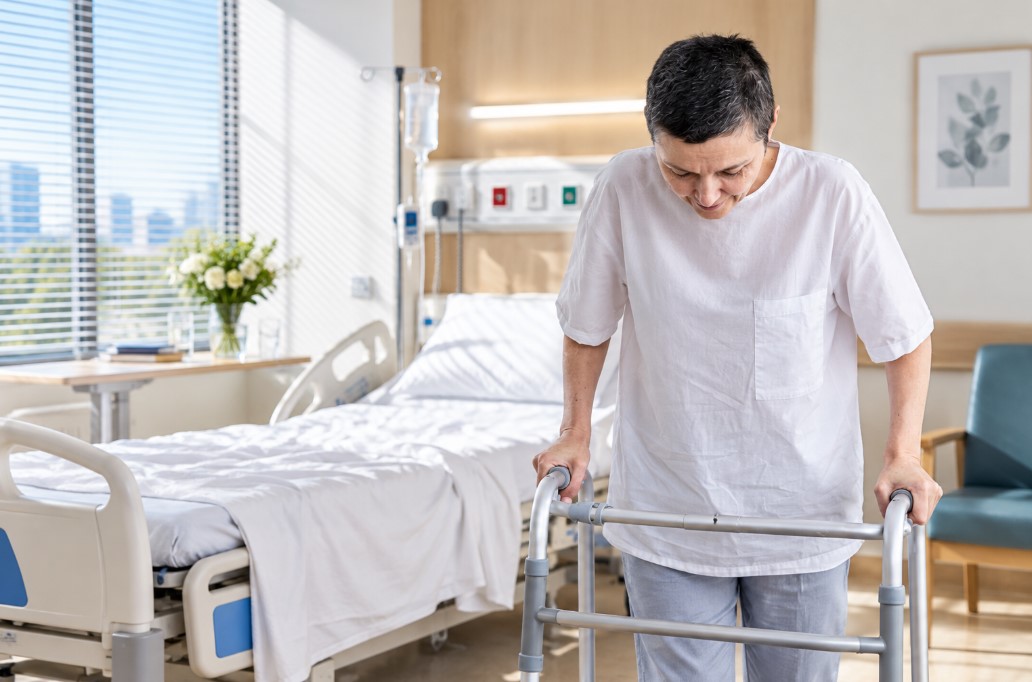
For patients, being admitted to a hospital can be a stressful and overwhelming experience. Beyond the physical discomfort of illness, hospitalisation often involves unfamiliar environments, disrupted routines, and emotional strain.
Longer waiting times are one of the most noticeable effects of increased admissions. Patients may spend more time in emergency departments or waiting for available beds, which can delay treatment and increase anxiety. In some cases, hospitals may need to prioritise critical cases, meaning less urgent patients might experience extended waiting periods.
There is also the psychological toll to consider. Feelings of uncertainty, fear, and isolation are common during hospital stays. Patients who are away from home for extended periods may struggle with homesickness or lack of support, especially if family members live far away.
The Ripple Effect on Families
Hospital admissions don’t just affect patients—they also place significant pressure on families. Loved ones often take on the role of caregivers, coordinators, and emotional support systems, all while balancing their own responsibilities.
Travel is a common challenge, particularly when specialised care requires patients to be admitted to hospitals outside their local area. Families may need to arrange transportation, take time off work, and find temporary accommodation near the hospital.
This is where hospital stay accommodation for patients and their families becomes especially important. Having access to nearby, comfortable, and flexible accommodation can significantly reduce stress, allowing families to stay close and provide support throughout the patient’s recovery journey.
Financial strain is another concern. Costs associated with travel, meals, and lodging can quickly add up, especially during prolonged hospital stays. For many families, planning ahead and exploring accommodation options can make a meaningful difference.
Strain on Healthcare Systems
The increase in hospital admissions also puts pressure on healthcare providers and facilities. Hospitals may face challenges such as bed shortages, staff burnout, and resource limitations. These issues can affect the quality and efficiency of care, making it even more important for patients and families to stay informed and proactive.
Healthcare teams are working hard to manage these demands through improved triage systems, outpatient care programs, and technological advancements. However, the growing demand highlights the importance of community support systems and alternative care solutions.
Preparing for a Hospital Stay
While hospital admissions are often unexpected, there are steps patients and families can take to be better prepared.
First, having essential documents ready—such as medical records, identification, and insurance details—can help streamline the admission process. Packing a small hospital bag with personal items, comfortable clothing, and basic toiletries can also make the stay more manageable.
Communication is key. Staying informed about the patient’s condition, treatment plan, and expected length of stay helps families plan accordingly. It’s also important to maintain open communication with healthcare providers and ask questions when needed.
For those traveling from outside the area, researching hospital stay accommodation in advance can save time and reduce stress. Options such as serviced apartments or short-term rentals often provide more space, privacy, and comfort compared to traditional hotels—making them ideal for extended stays.
Supporting Recovery Beyond the Hospital
Recovery doesn’t end at discharge. In fact, the transition from hospital to home is a critical phase in the healing process. Families play a vital role in ensuring patients follow medical advice, attend follow-up appointments, and maintain a supportive environment.
In some cases, patients may need to remain close to the hospital for ongoing treatment or monitoring. Again, access to suitable accommodation becomes essential, offering a stable and convenient base during recovery.
Flexible living arrangements, such as fully furnished apartments, can provide a home-like environment that supports both physical and emotional wellbeing. This is particularly beneficial for patients undergoing long-term treatment or those who require frequent hospital visits.
Looking Ahead
As hospital admissions continue to rise, the need for holistic support systems becomes increasingly clear. Healthcare is no longer confined to hospital walls—it extends into communities, homes, and the spaces where patients and families find comfort during challenging times.
By understanding the factors driving this trend and preparing for its impact, patients and families can navigate hospital experiences more effectively. From planning ahead to exploring accommodation options, small steps can make a significant difference in reducing stress and improving overall outcomes.
Ultimately, while rising hospital admissions present challenges, they also highlight opportunities to improve patient care, strengthen support networks, and create more compassionate healthcare experiences for everyone involved.