21
Jan 2026
Accessibility in Hospital Stays: Making Rooms Friendly for All Patients
Published in General on January 21, 2026

Accessibility in hospital stays is more than just a design consideration—it is a matter of patient dignity, safety, and quality of care. Hospitals serve people from all walks of life, including individuals with disabilities, older adults, patients recovering from surgery, pregnant women, and those with temporary mobility limitations. When hospital rooms are designed to be accessible and inclusive, they not only meet physical needs but also support emotional well-being and faster recovery.
At its core, accessibility means ensuring that all patients can navigate, use, and feel comfortable in their hospital environment without unnecessary barriers. This includes physical access, sensory considerations, and supportive technology that empowers patients to maintain independence during their stay.
The Importance of Accessible Hospital Rooms
Hospital stays can already be stressful due to illness, pain, or uncertainty. Poorly designed spaces—such as narrow doorways, high beds, slippery floors, or inaccessible bathrooms—can increase anxiety and even lead to accidents. For patients with disabilities, these challenges can be overwhelming and may compromise their ability to participate actively in their own care.
Accessible rooms reduce the risk of falls, improve staff efficiency, and enhance patient satisfaction. They also demonstrate a hospital’s commitment to equity and compliance with accessibility standards and human rights principles. Importantly, accessibility benefits everyone, not only patients with permanent disabilities. A patient recovering from surgery, for example, may temporarily require grab bars, adjustable beds, or wheelchair access.
Key Features of an Accessible Hospital Room
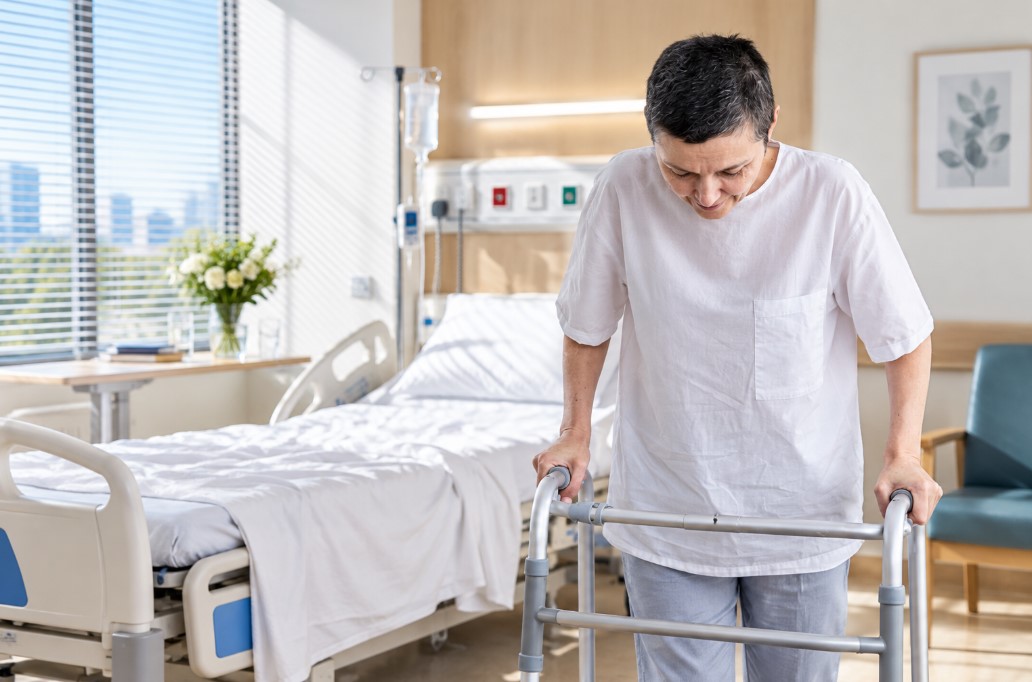
One of the most critical elements of accessibility is barrier-free movement. This starts with wide doorways and uncluttered layouts that allow wheelchairs, walkers, and hospital equipment to move freely. Furniture should be positioned to provide clear pathways, and adjustable beds should be easy to control from both the bed and a seated position.
Accessible bathrooms are equally essential. These should include roll-in showers, non-slip flooring, grab bars near toilets and showers, handheld showerheads, and sinks that can be used from a seated position. Emergency call buttons must be within easy reach, ensuring patients can quickly summon help if needed.
For patients with visual or hearing impairments, accessibility extends beyond physical design. Clear signage with large fonts, high-contrast colours, and Braille labels can make navigation easier. Visual alarms, captioned televisions, and assistive listening devices help ensure that patients receive important information without barriers.
Technology and Smart Design
Modern hospitals are increasingly incorporating assistive technology into room design. Adjustable lighting, voice-activated controls, and easy-to-use nurse call systems can significantly enhance independence. Smart beds that adjust height and position reduce strain on both patients and caregivers, while electronic health systems displayed on accessible screens help patients stay informed about their care.
Noise control is another often-overlooked aspect of accessibility. Excessive noise can be particularly distressing for patients with sensory sensitivities or cognitive conditions. Sound-absorbing materials, quiet-closing doors, and thoughtful room placement contribute to a calmer, more healing environment.
Emotional and Psychological Accessibility
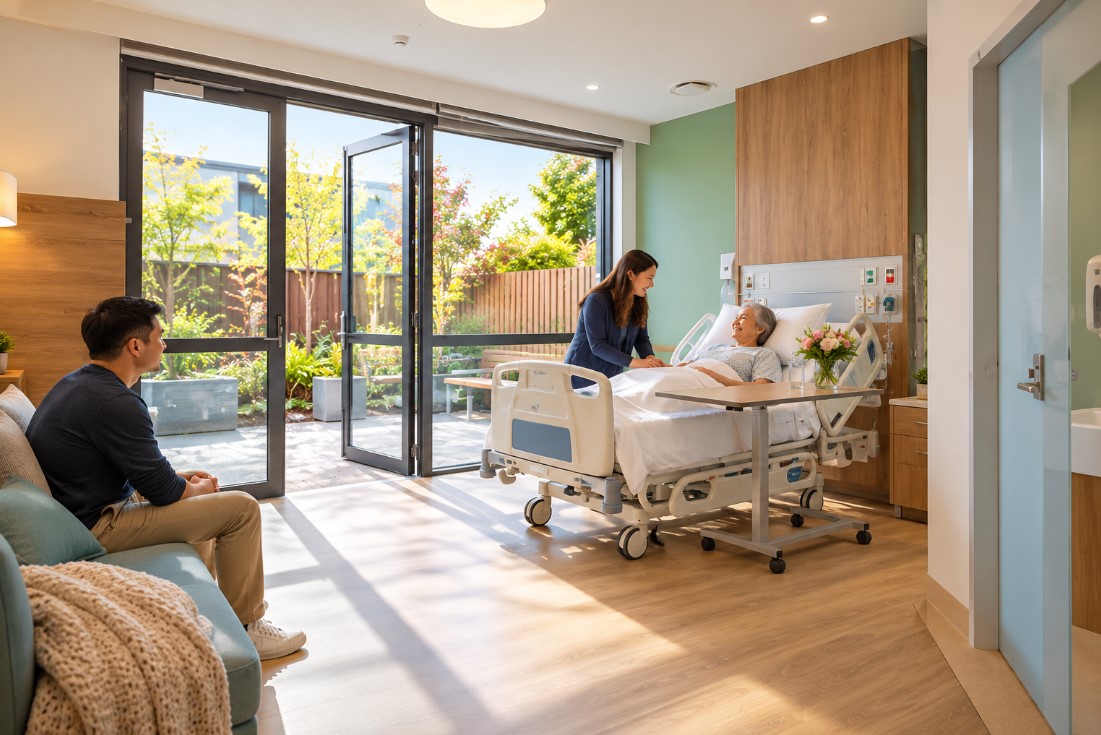
Accessibility is not only physical—it is also emotional and psychological. Hospital rooms should feel welcoming rather than institutional. Natural light, soothing colours, and space for family members or caregivers can make a significant difference in how patients experience their stay. For long-term or repeated hospitalisations, feeling comfortable and respected in one’s environment can positively impact mental health and recovery outcomes.
Cultural sensitivity also plays a role. Providing flexible spaces that accommodate different cultural practices, privacy needs, or family involvement supports a more inclusive healthcare experience.
Benefits for Hospitals and Healthcare Systems
Investing in accessible hospital rooms benefits not only patients but also healthcare providers and institutions. Accessible design can reduce staff injuries by minimising the need for manual lifting and awkward movements. It can also lower the risk of patient falls and related complications, which in turn reduces costs and improves care outcomes.
From a broader perspective, accessibility helps hospitals meet legal and ethical standards while enhancing their reputation for patient-centred care. As populations age and the prevalence of chronic conditions increases, the demand for accessible healthcare environments will only continue to grow.
Looking Ahead: Accessibility as a Standard, Not an Option
Accessibility in hospital stays should be viewed as a fundamental standard rather than a special accommodation. By adopting universal design principles—creating spaces that are usable by everyone, regardless of ability—hospitals can ensure that no patient is left struggling in an environment meant to heal them.
Ultimately, making hospital rooms friendly for all patients is an investment in compassion, safety, and quality care. When accessibility is prioritised, hospitals become places where healing is supported not only by medical expertise but also by thoughtful, inclusive design.