21
May 2026
Living Well with Parkinson's: Understanding the Journey Ahead
Published in News on May 21, 2026

A diagnosis of Parkinson's disease can feel overwhelming, bringing uncertainty about the future and how daily life may change. While Parkinson's is a progressive neurological condition, many people continue to lead fulfilling and active lives with the right combination of medical care, rehabilitation, lifestyle adjustments, and emotional support. Understanding the condition and preparing for the journey ahead allows patients and their families to make informed decisions and focus on maintaining the highest possible quality of life. Parkinson's affects each individual differently, making personalised care and ongoing communication with healthcare professionals especially important.
Understanding Parkinson's Disease
Parkinson's disease develops when nerve cells in the brain gradually lose their ability to produce dopamine, a chemical responsible for controlling movement and coordination. Although tremors are among the most recognised symptoms, Parkinson's can also affect balance, speech, sleep, mood, memory, digestion, and overall wellbeing. Symptoms often develop gradually and vary considerably between individuals, meaning no two journeys with Parkinson's are exactly alike.
Building a Strong Healthcare Team
Successful Parkinson's management involves more than medication alone. Neurologists, general practitioners, physiotherapists, occupational therapists, speech pathologists, dietitians, psychologists, and specialist nurses each play an important role in supporting patients throughout different stages of the condition.
Many Australians travel to specialist centres such as Royal Melbourne Hospital, which is recognised for its neurological expertise and multidisciplinary approach to movement disorders. Access to experienced specialists and coordinated care helps patients receive comprehensive assessments, personalised treatment plans, and ongoing monitoring as their needs change over time.
Staying Active Improves Quality of Life
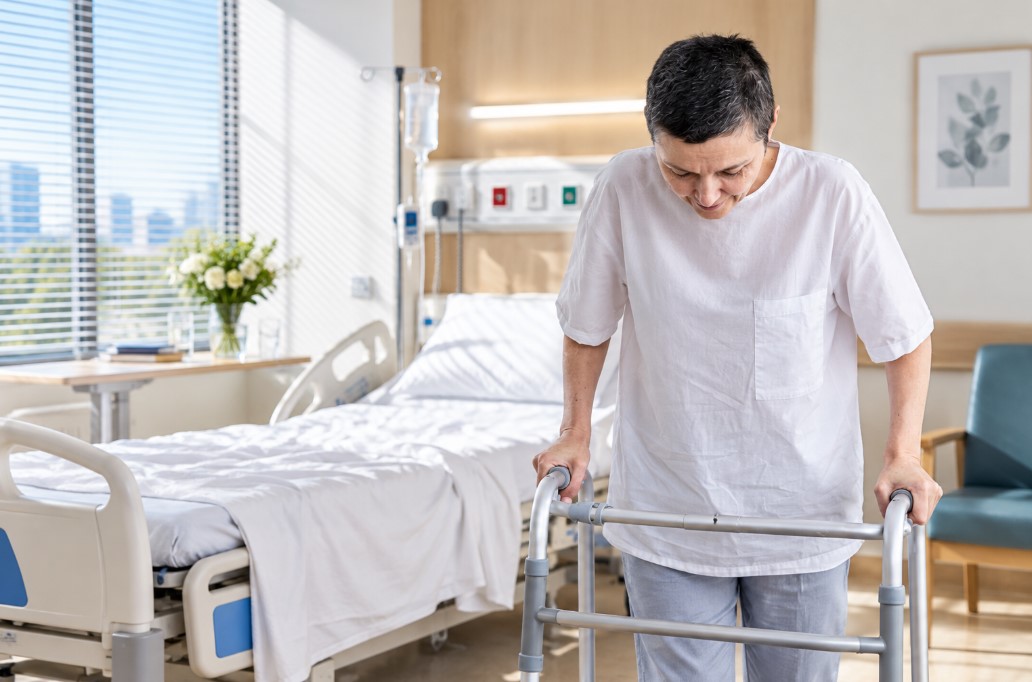
Exercise remains one of the most effective non-medication strategies for managing Parkinson's symptoms. Regular physical activity can improve mobility, flexibility, balance, posture, and overall confidence while also supporting mental wellbeing.
Activities such as walking, swimming, cycling, strength training, yoga, tai chi, and physiotherapy-guided exercise programs may help reduce stiffness and maintain independence. Combined with healthy nutrition, adequate hydration, quality sleep, and social engagement, these lifestyle habits contribute significantly to long-term wellbeing.
Planning for Medical Appointments
Living with Parkinson's often involves regular consultations, specialist reviews, rehabilitation sessions, and occasional hospital admissions. Families travelling from regional Victoria or interstate may need accommodation that offers comfort and flexibility while remaining close to healthcare facilities.
A comprehensive Hospital Accommodation Guide can help patients and carers identify suitable accommodation options near major medical centres, making it easier to attend appointments, manage treatment schedules, and reduce the stress associated with frequent travel. Choosing accommodation with kitchen facilities, laundry access, and flexible booking arrangements can greatly improve comfort during extended medical visits.
The Importance of Emotional Support
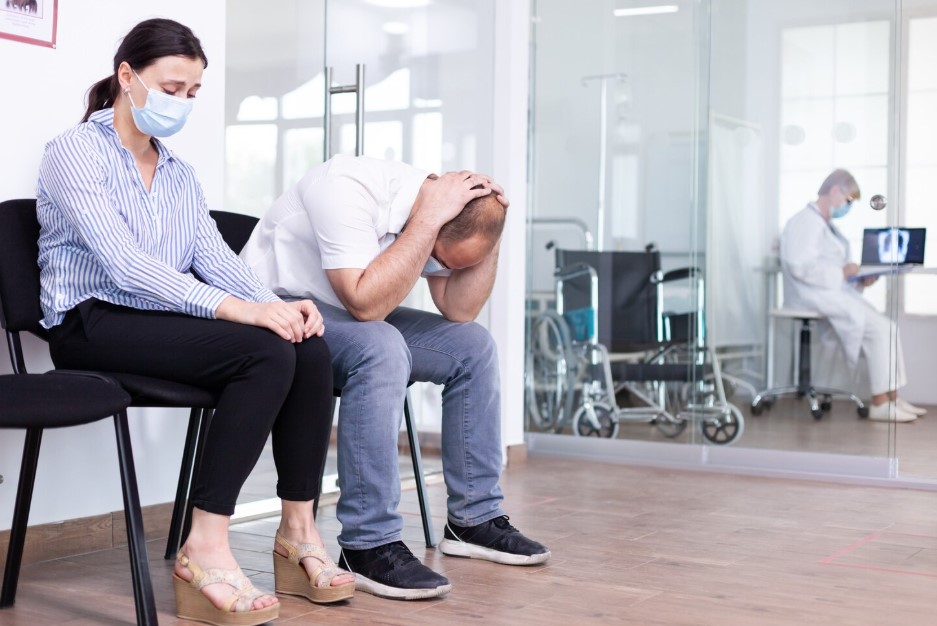
Parkinson's affects more than physical health. Anxiety, depression, frustration, and uncertainty are common experiences for both patients and caregivers. Building a strong support network through family, friends, healthcare providers, and Parkinson's support organisations helps people navigate emotional challenges while maintaining social connections.
Support groups also provide valuable opportunities to learn from others living with Parkinson's, share practical advice, and reduce feelings of isolation. Many patients find reassurance in speaking with people who understand the realities of living with the condition every day.
Accessing Specialist Care
As Parkinson's progresses, treatment plans often require ongoing adjustment. Access to specialist movement disorder clinics can provide patients with the latest evidence-based therapies, rehabilitation programs, and opportunities to participate in clinical research where appropriate.
Royal Melbourne Hospital is among Australia's leading hospitals providing specialist neurological services and has been involved in advanced Parkinson's research and clinical trials aimed at improving future treatment options. Receiving care through experienced multidisciplinary teams ensures patients benefit from coordinated management throughout every stage of their Parkinson's journey.
Looking Ahead with Confidence
Although Parkinson's presents lifelong challenges, advances in treatment, rehabilitation, and supportive care continue to improve outcomes for many Australians. Early diagnosis, regular medical reviews, healthy lifestyle choices, and strong family support all contribute to maintaining independence and quality of life.
Every Parkinson's journey is unique, but with the right knowledge, preparation, and healthcare support, patients can continue participating in the activities they enjoy while adapting to changing needs over time. Focusing on proactive care rather than the diagnosis itself empowers individuals and families to approach the future with greater confidence and resilience.