02
Jan 2026
Noise, Light, and Privacy: Key Factors in a Healing Hospital Stay
Published in Health Tips on January 02, 2026
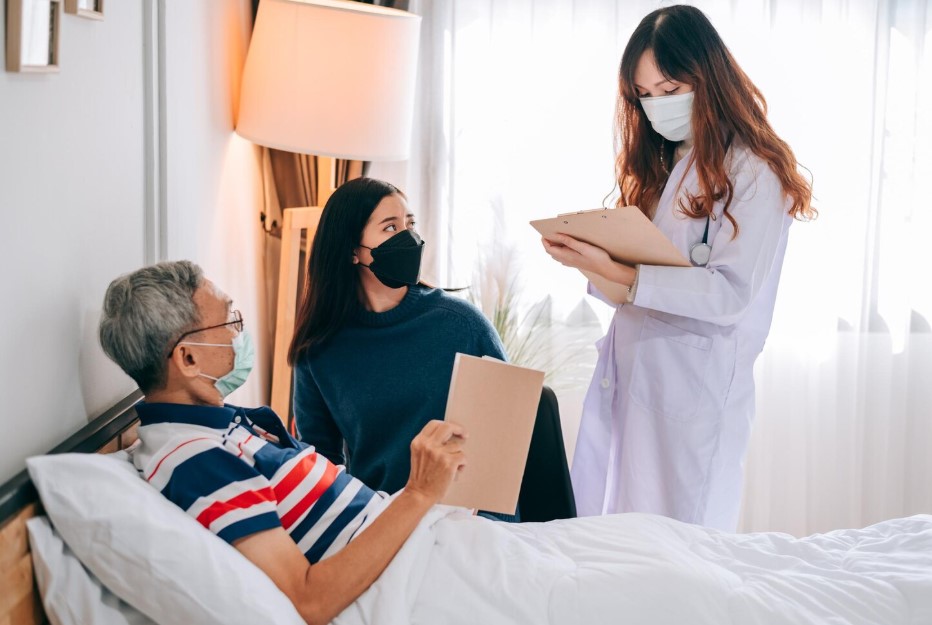
A hospital stay can be challenging, especially when recovery requires rest, comfort, and peace of mind. Beyond medical treatment, the physical environment plays a major role in healing. Noise levels, lighting conditions, and personal privacy directly affect sleep quality, stress, and overall well-being. Understanding how to manage these factors can help patients and caregivers create a more healing hospital experience.
1. Managing Noise for Better Rest
Hospitals are busy places, and constant sounds from equipment, alarms, staff movement, and other patients can disrupt sleep and increase stress. Poor sleep has been shown to slow healing and affect mood. To reduce noise impact, patients can use earplugs or noise-cancelling headphones if appropriate. Keeping the door or curtain closed, especially at night, can also help. Politely asking staff to cluster care activities when possible may reduce frequent interruptions. Families can support by speaking softly and limiting unnecessary noise during visits.
2. Using Light to Support Recovery
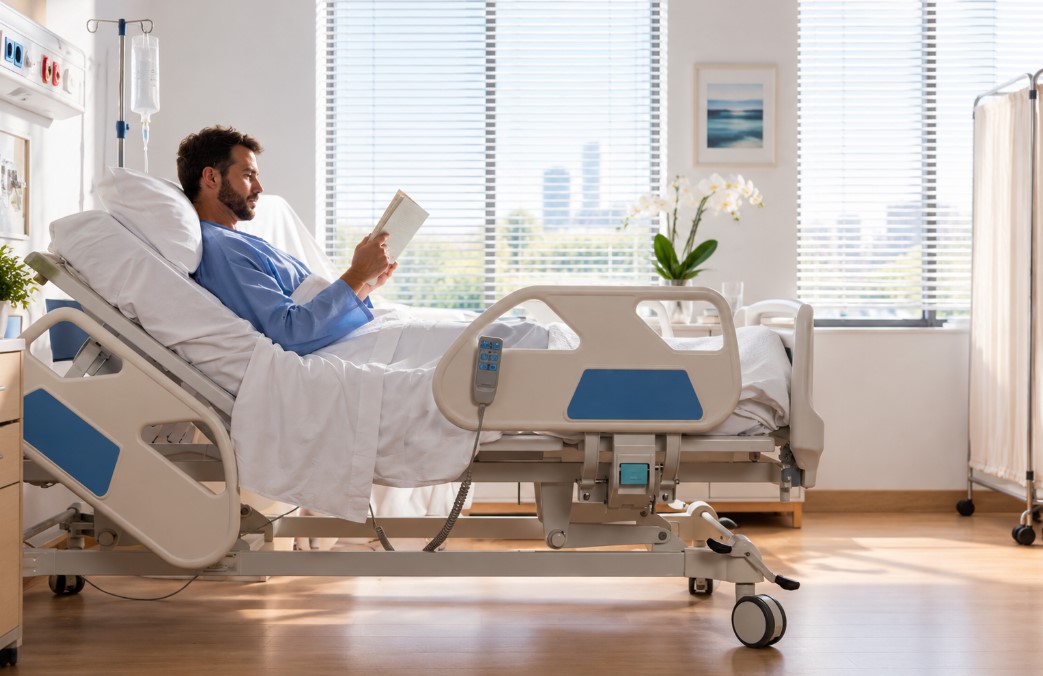
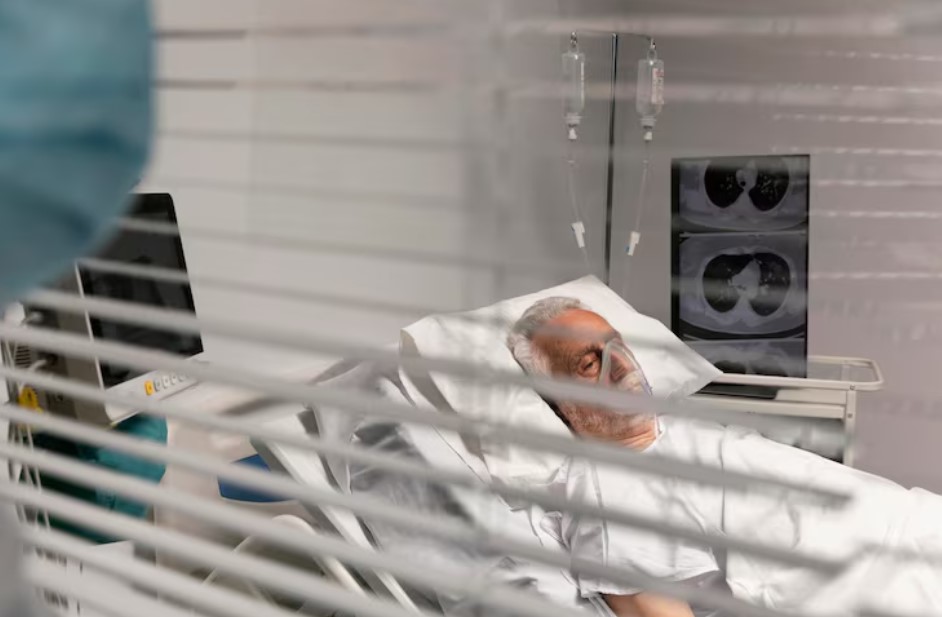
Lighting affects the body’s natural sleep–wake cycle. Bright lights at night can interfere with melatonin production, making it harder to rest, while insufficient daylight can contribute to fatigue and low mood. During the day, opening blinds to let in natural light helps regulate circadian rhythms and supports emotional well-being. At night, dim lighting or bedside lamps are preferable to overhead lights. Patients can request eye masks to block unwanted light and ask staff to minimise light exposure during overnight checks when clinically safe.
3. Protecting Privacy and Dignity
Privacy is essential for emotional comfort and a sense of control, especially during long or vulnerable hospital stays. In shared rooms, using curtains fully and consistently can help create personal space. Patients should feel comfortable asking staff to knock before entering and to explain procedures clearly. Wearing personal clothing or a robe, when permitted, can also restore dignity and normalcy. For conversations about health concerns, patients can request a quieter or more private setting.
4. Advocating for a Calmer Environment
Patients and caregivers have the right to speak up about environmental concerns. Simple requests—such as lowering alarm volumes when possible, adjusting lighting, or scheduling non-urgent procedures at better times—can make a meaningful difference. Many hospitals are increasingly aware of the importance of healing environments and are open to accommodating reasonable requests that support patient comfort.
5. Supporting Mental and Emotional Well-Being
A quieter, well-lit, and private environment reduces stress and anxiety, which are closely linked to physical recovery. Listening to calming music, practising breathing exercises, prayer, or mindfulness can further enhance relaxation. Feeling safe, respected, and comfortable helps patients stay positive and engaged in their healing process.
Conclusion
Noise, light, and privacy may seem like small details, but they have a powerful impact on recovery during a hospital stay. By actively managing these factors—through practical tools, open communication, and simple adjustments—patients and caregivers can help create a more peaceful, dignified, and healing environment that supports both body and mind.