24
Jan 2026
Tasmania’s Seniors Thrive with Ticket to Wellbeing Expansion
Published in News on January 24, 2026
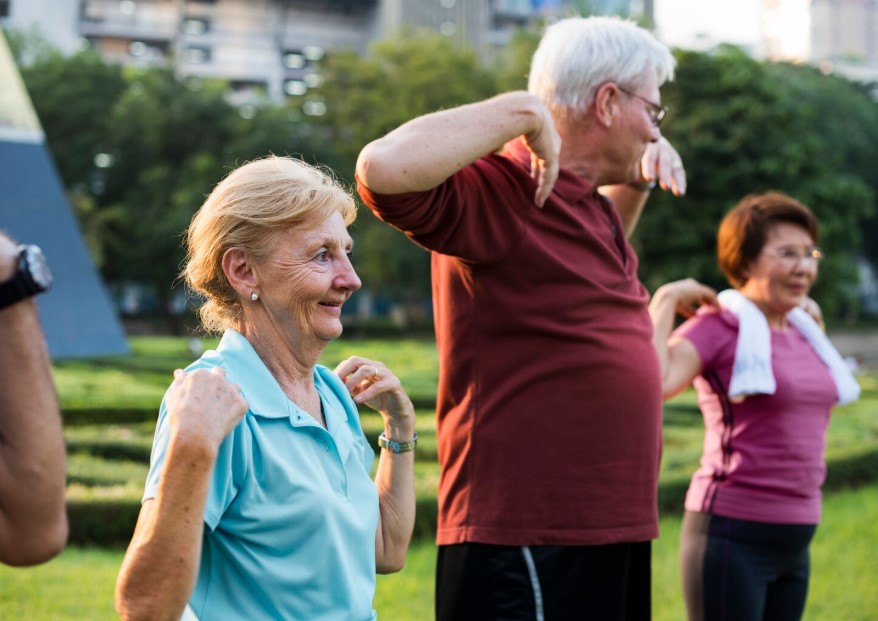
Tasmanian seniors are embracing a healthier, more active lifestyle thanks to the Tasmanian Government’s Ticket to Wellbeing program, which has continued its strong momentum in a new funding round. Designed to help people aged 65 and over stay physically active and socially connected, the program has become one of the state’s most successful initiatives supporting older residents.
The Ticket to Wellbeing program offers eligible seniors a $100 voucher to put toward the cost of sports and active recreation registrations. This includes a wide range of activities from golf and lawn bowls to tennis, croquet and tai chi, with more than 300 registered activities available across the state.
High Demand Demonstrates Value for Older Tasmanians
The demand for the vouchers has been exceptionally strong. In its second round, more than 2,600 vouchers were claimed in just days, and over 330 of those had been redeemed almost immediately, reinforcing the appetite among older Tasmanians to stay active and connected.
According to Tasmanian Minister for Sport Nick Duigan, the program’s popularity underscores its importance. “We’ve seen huge interest right from the outset,” he said, highlighting that around one in ten participants took up a new sport through the program’s first round.
To ensure more Tasmanians can participate, the funding for the Ticket to Wellbeing program is being doubled from 2026–27 and extended by a further two years until 30 June 2028. This extension reflects a commitment by state leaders to promote health, wellbeing and social participation among older adults.
Financial Support Meets Physical and Social Well-being
Participants eligible for the voucher include those aged 65 and over who hold a valid Services Australia Health Care Card or a Pensioner Concession Card, making the initiative particularly supportive for older Australians on fixed incomes. By reducing participation costs, the government is helping seniors remain engaged in community life, making new connections, and maintaining fitness as they age.
Stakeholders such as Council on the Ageing Tasmania have welcomed the program, noting that it delivers connectivity alongside physical health benefits. By supporting participation in local recreation, the initiative helps to reduce social isolation, a common concern for older adults living alone or in rural regions.
Broader Context: Transitioning from Hospitals to Community Life
While Ticket to Wellbeing focuses on proactive health and activity, there are also important supports in Tasmania related to seniors’ health care and accommodation transitions. A recent health report noted that some older residents are experiencing delays in leaving hospitals due to a shortage of aged care placements or support services, with more than 90 patients remaining in hospital because there are no available options for step-down care. These delays can sometimes stretch to months, highlighting ongoing challenges in health and accommodation pathways for older residents.
To address such issues, government planning has included initiatives to build additional aged care facilities and supported accommodation options, as well as enhancing services that help people transition from hospital back into community living or into assisted care when required. These broader measures aim to ensure older Tasmanians not only stay healthy and active but also receive appropriate care when recovering from illness or in need of accommodation support.
A Community-Driven Health Outcome
Beyond physical activity, the Ticket to Wellbeing program is part of Tasmania’s wider approach to creating strong, liveable communities where seniors can thrive. Programs like this complement other supports—from transport assistance to health care concessions and accessible housing services—that collectively aim to support ageing with dignity.
With funding extended and activity providers continuing to register for the program, Tasmanian seniors are poised to remain active, socially connected and healthier for longer, reinforcing a positive vision of ageing well across the island state.