28
Apr 2026
Reducing Infection Risks During Hospital Stays
Published in General on April 28, 2026

Hospital stays are an essential part of healthcare, providing patients with access to medical treatment, surgery, monitoring, and specialist care. While hospitals are designed to promote healing, they can also expose patients to infections if proper precautions are not followed. For patients recovering from illness or surgery, reducing infection risks is an important part of achieving a smoother and safer recovery.
Healthcare-associated infections, sometimes referred to as hospital-acquired infections, can affect patients during or after treatment. These infections may involve the respiratory system, urinary tract, bloodstream, or surgical wounds. Fortunately, many infection risks can be minimised through awareness, hygiene practices, and support from healthcare professionals, visitors, and accommodation providers.
One of the most effective ways to reduce infection risks during hospital stays is proper hand hygiene. Patients, visitors, and medical staff should regularly wash their hands using soap and water or alcohol-based hand sanitiser. Hands should be cleaned before eating, after touching shared surfaces, after using the bathroom, and before and after interacting with patients. Hospitals often place hand sanitiser stations throughout their facilities to encourage consistent use.
Patients should also feel comfortable speaking up about hygiene practices. Asking healthcare providers whether they have cleaned their hands before treatment or checking that medical equipment has been sanitised can help reinforce safe healthcare standards. Open communication between patients and medical staff creates a shared commitment to maintaining a safe environment.
Keeping personal items and surrounding spaces clean is another important factor. Bedside tables, mobile phones, remote controls, and reusable water bottles can carry bacteria if not cleaned regularly. Wiping down frequently touched surfaces and limiting unnecessary clutter in patient rooms can reduce the spread of germs. Hospitals typically follow strict cleaning protocols, but personal vigilance also plays a valuable role.
Visitors can contribute significantly to infection prevention. Family members and friends who are feeling unwell should avoid visiting hospitals until they have recovered. Even common illnesses such as colds or flu can pose serious risks to patients with weakened immune systems. Many hospitals now encourage controlled visitor numbers and shorter visits to help maintain safer environments for vulnerable patients.
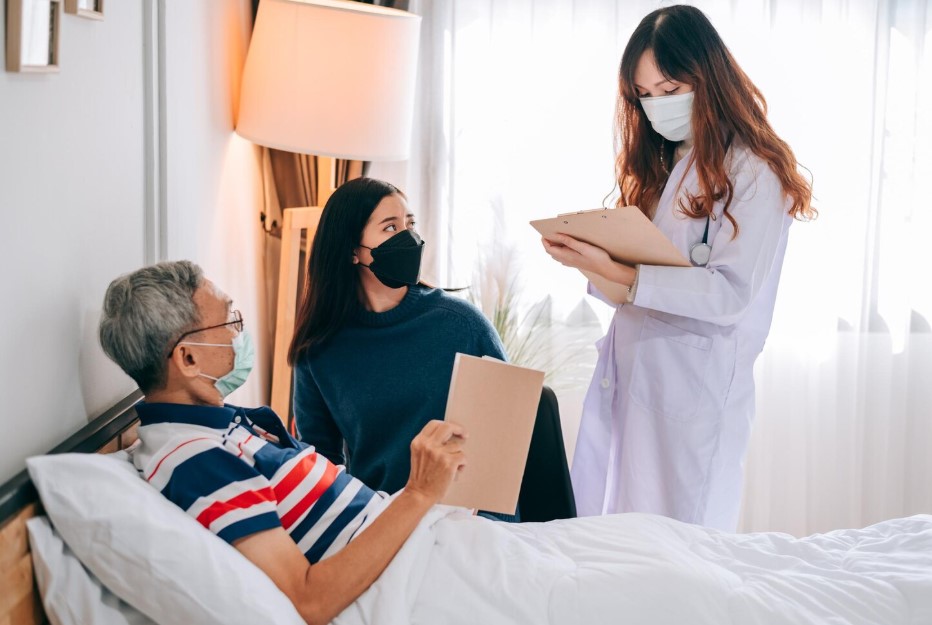
Wearing masks when required is another effective measure. During periods of increased respiratory illness activity, hospitals may recommend or require masks in patient care areas. Masks help reduce the transmission of airborne particles and protect both patients and healthcare workers. Patients recovering from surgery or undergoing treatments that weaken the immune system may benefit greatly from these precautions.
Nutrition and hydration also play a major role in supporting the body’s natural defence systems. Patients who maintain a balanced diet rich in vitamins, minerals, and protein often recover more effectively and may be better equipped to resist infections. Staying hydrated helps support circulation, immune function, and overall wellbeing. In cases where patients cannot eat normally, healthcare teams usually provide nutritional guidance or specialised support.
Rest and sleep are equally important during recovery. Hospital environments can sometimes be noisy or stressful, making quality sleep difficult. However, proper rest allows the body to repair tissues and strengthen immune responses. Patients can improve sleep quality by limiting screen time before rest, using earplugs or eye masks if permitted, and following healthcare recommendations for recovery routines.
For patients staying near hospitals for extended treatment or recovery, choosing suitable accommodation can also support infection prevention. Many families and patients now prefer private, self-contained options instead of crowded shared environments. Comfortable and clean hospital stays accommodation can provide additional privacy, better hygiene control, kitchen facilities for preparing meals, and reduced exposure to large groups of people. These features are particularly helpful for long-term treatments, post-operative recovery, or supporting family members during ongoing care.
Vaccinations remain one of the strongest protections against infectious diseases. Patients should discuss recommended vaccinations with their healthcare providers, especially before surgery or long-term treatment. Vaccines for influenza, COVID-19, and other preventable illnesses can reduce complications and help protect vulnerable patients in hospital settings.
Medical devices such as catheters, IV lines, and surgical dressings require careful management to reduce infection risks. Patients and caregivers should follow instructions provided by healthcare professionals regarding wound care, dressing changes, and device handling. Reporting signs such as redness, swelling, fever, unusual pain, or discharge early can help prevent complications from becoming more serious.
Mental wellbeing should not be overlooked during hospital stays. Stress and anxiety can affect sleep, appetite, and overall health, potentially impacting recovery. Staying connected with loved ones, maintaining positive routines, and accessing emotional support services can contribute to a healthier recovery environment. Many hospitals now recognise the importance of holistic care that addresses both physical and emotional wellbeing.
Technology is also helping hospitals improve infection control. Digital monitoring systems, advanced air filtration, touchless check-ins, and enhanced cleaning technologies are increasingly being used in healthcare environments. These innovations support healthcare teams in maintaining safer facilities while improving patient confidence.
Ultimately, reducing infection risks during hospital stays requires a combined effort from healthcare providers, patients, families, and support networks. Simple practices such as hand hygiene, proper cleaning, safe visiting habits, good nutrition, and suitable recovery environments can make a meaningful difference in patient outcomes.
As healthcare continues to evolve, infection prevention remains one of the most important aspects of patient safety. By staying informed and proactive, patients and families can help create safer hospital experiences and support faster, healthier recoveries.