01
May 2026
Travel Tips for Patients Receiving Treatment Away from Home
Published in Health Tips on May 01, 2026
Travelling away from home for medical treatment can be both physically and emotionally challenging. Whether it involves specialist appointments, surgery, rehabilitation, or ongoing care, being in an unfamiliar environment often adds extra stress to an already difficult situation. However, careful planning and the right support can make medical travel more manageable, comfortable, and less overwhelming for patients and their families.
Many Australians travel interstate or to major cities for healthcare services that may not be available locally. Large medical precincts in cities such as Melbourne, Sydney, and Brisbane attract patients seeking advanced treatments, specialist consultations, or elective procedures. While the focus naturally remains on medical care, planning the practical side of travel is equally important for maintaining wellbeing during treatment.
One of the first things patients should organise is their medical documentation. Keeping copies of referrals, prescriptions, imaging results, identification, and health insurance information in one secure folder can save time and reduce stress during appointments. Digital copies stored on a phone or cloud service also provide a useful backup in case paperwork is misplaced while travelling.
Patients should also prepare a clear medication plan before leaving home. It is recommended to carry enough medication for the entire trip, along with extra supplies in case treatment schedules change unexpectedly. Medications should always remain in original packaging and be easily accessible during flights or long drives. Discussing travel plans with healthcare providers before departure can also help patients understand any restrictions or precautions related to their condition.
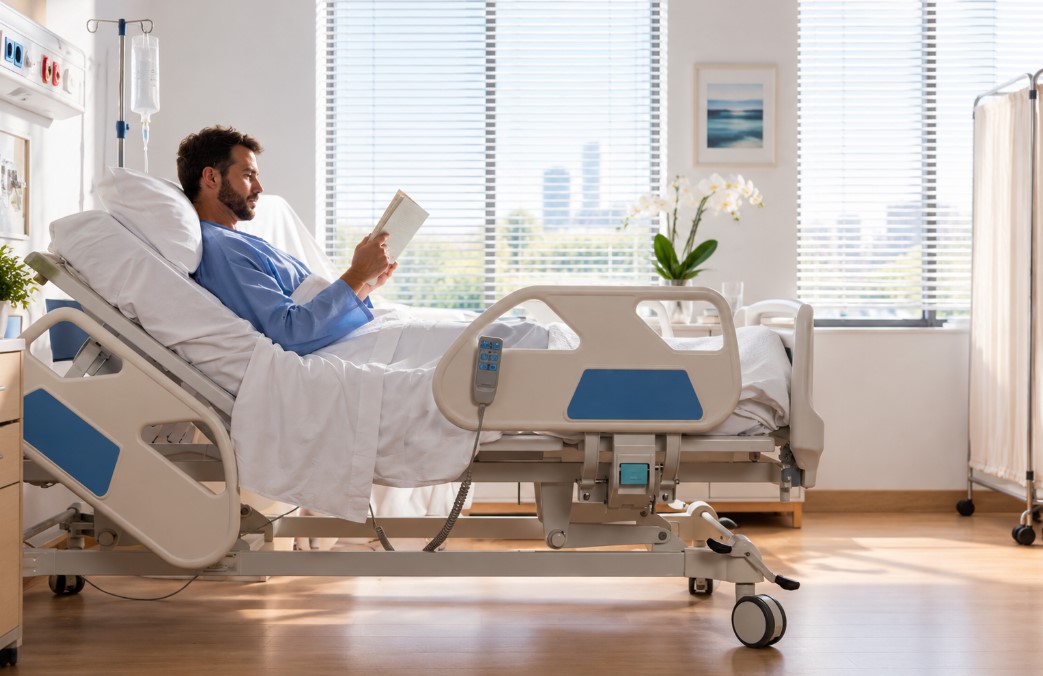
Choosing the right accommodation is another major factor when travelling for treatment. Comfort, cleanliness, accessibility, and proximity to hospitals can significantly affect the recovery experience. Many patients now prefer private hospital stays accommodation that provides a quieter and more flexible environment compared with traditional hotels. Self-contained apartments with kitchens, laundry facilities, and separate living spaces can help patients maintain routines and feel more comfortable during extended stays.
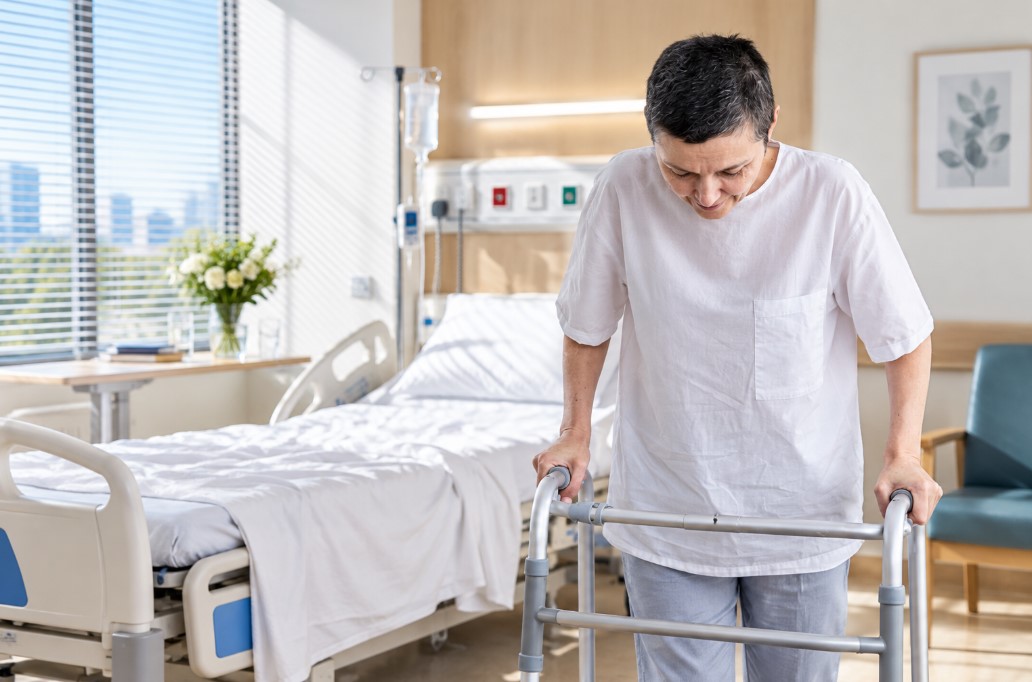
Location is especially important for those attending daily treatments or follow-up appointments. Staying close to hospitals or specialist clinics can reduce travel fatigue and minimise stress associated with traffic, parking, or public transport. Patients recovering from surgery or managing limited mobility often benefit greatly from accommodation that offers lift access, accessible bathrooms, and supportive amenities.
Packing thoughtfully can also improve comfort during medical travel. Loose-fitting clothing, comfortable shoes, reusable water bottles, chargers, personal toiletries, and entertainment items can help patients feel more at ease during treatment periods. For longer stays, familiar items such as pillows, blankets, or books may help create a more relaxing environment away from home.
Patients travelling for treatment should also allow extra time in their schedules whenever possible. Medical appointments can change unexpectedly, treatments may run longer than planned, and recovery times can vary from person to person. Building flexibility into travel arrangements helps reduce pressure and allows patients to focus on their health rather than strict timelines.
For those flying to treatment destinations, it is important to check airline medical guidelines in advance. Some patients may require medical clearance before flying, particularly after surgery or when travelling with medical equipment. Compression stockings, hydration, and occasional movement during flights may also help reduce discomfort and circulation issues during longer journeys.
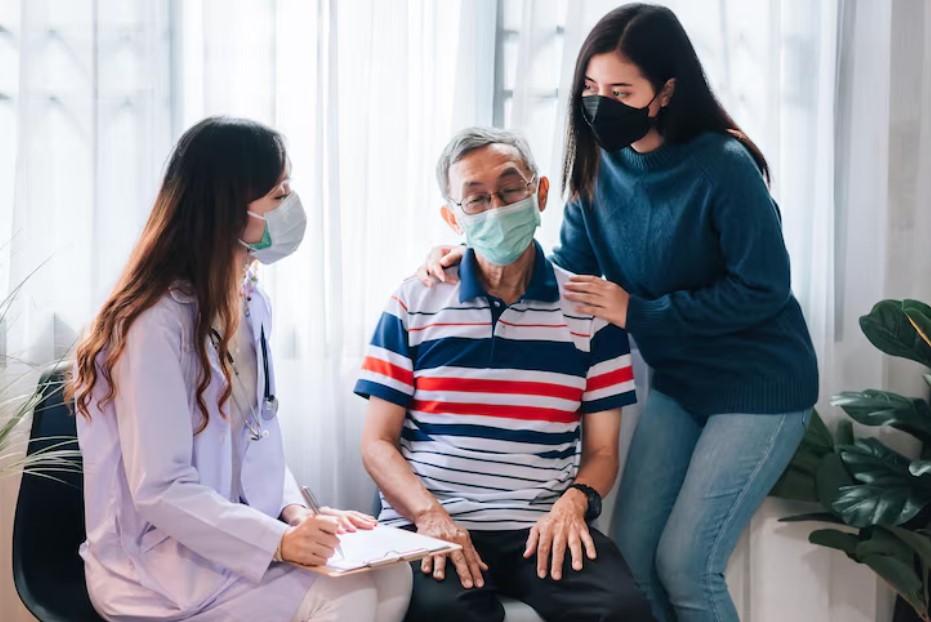
Support networks play a vital role during medical travel. Having a family member, friend, or caregiver accompany the patient can provide both practical and emotional assistance. Simple tasks such as attending appointments, collecting prescriptions, preparing meals, or offering companionship can make a meaningful difference during stressful periods.
Financial planning is another key consideration. Medical travel can involve unexpected expenses including transport, accommodation, meals, parking, and follow-up care. Patients should check whether they are eligible for government travel assistance schemes, private health insurance support, or community programs that may help reduce costs associated with treatment away from home.
Maintaining healthy routines while travelling is equally important. Proper nutrition, hydration, rest, and gentle movement can all support recovery and overall wellbeing. Patients staying for extended periods may benefit from choosing accommodation with kitchen facilities so they can prepare balanced meals rather than relying entirely on takeaway food or hospital cafeterias.
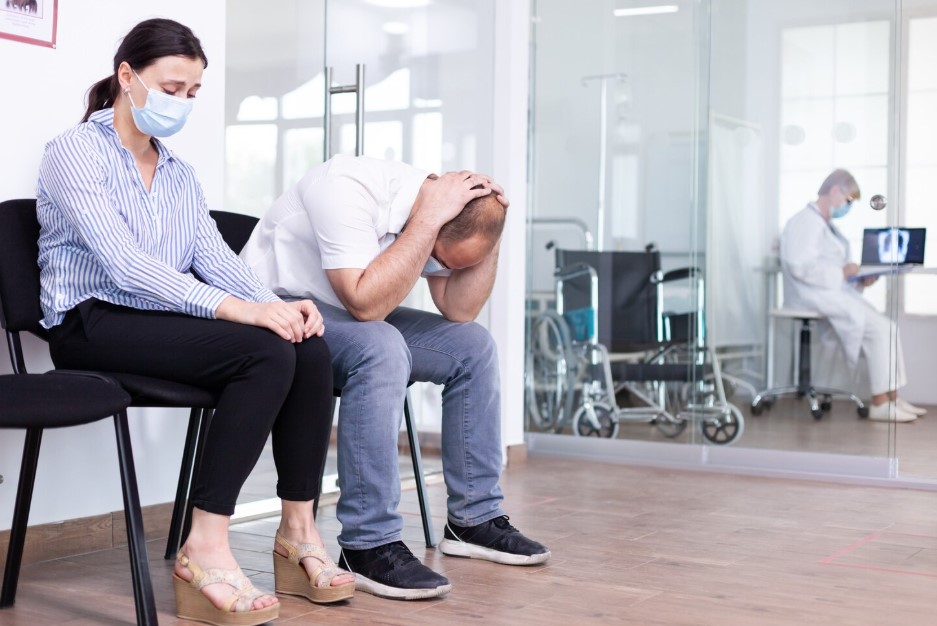
Mental health should also remain a priority throughout the journey. Being away from home during treatment can feel isolating, particularly during longer recovery periods. Staying connected with family and friends through phone calls or video chats can provide reassurance and emotional support. Many hospitals and healthcare providers also offer counselling or support services for patients dealing with stress and anxiety related to treatment.
Technology continues to make medical travel easier for many patients. Navigation apps, telehealth follow-ups, medication reminders, online appointment systems, and digital medical records can simplify logistics and improve communication between patients and healthcare providers. These tools help patients stay organised and informed throughout their treatment journey.
For families supporting loved ones receiving care away from home, planning ahead can reduce pressure during difficult times. Coordinating transport, understanding hospital visiting policies, organising accommodation early, and preparing for possible schedule changes all contribute to a smoother experience.
Travelling for medical treatment is rarely something people look forward to, but good preparation can significantly improve comfort and peace of mind. By choosing suitable accommodation, staying organised, prioritising health routines, and accessing the right support systems, patients can focus more fully on recovery and treatment outcomes.
As healthcare services continue to centralise in major cities and specialist hubs, medical travel is likely to remain a reality for many Australians. With thoughtful planning and practical support, patients and families can navigate these journeys with greater confidence, comfort, and reassurance.