05
Jan 2026
The Rise of Medical Tourism and Its Impact on Hospital Accommodation
Published in General on January 05, 2026

Medical tourism—where patients travel abroad to receive medical treatment—has grown rapidly over the past decade. Factors such as rising healthcare costs, long waiting times, and access to specialised procedures have encouraged patients to seek care in countries where quality services are available at lower costs or with faster access. This global trend has not only affected healthcare delivery but has also had a significant impact on hospital accommodation and the design of patient care environments.
Understanding Medical Tourism
Medical tourism encompasses a wide range of healthcare services, from elective surgeries like cosmetic procedures to complex treatments such as cardiac surgery, fertility treatments, and oncology care. Patients often combine their medical visits with travel, creating a demand for hospitals to provide accommodations that are comfortable, culturally sensitive, and capable of supporting international patients who may be away from home for days or weeks.
Countries like Thailand, India, Malaysia, and Mexico have become popular destinations for medical tourists due to their combination of high-quality medical care and affordable costs. Developed nations, including the United States and Germany, also see inbound medical tourists for highly specialised procedures that may not be available elsewhere. This movement has shifted the focus from purely clinical outcomes to a more holistic patient experience, with accommodation playing a crucial role.
The Influence on Hospital Accommodation
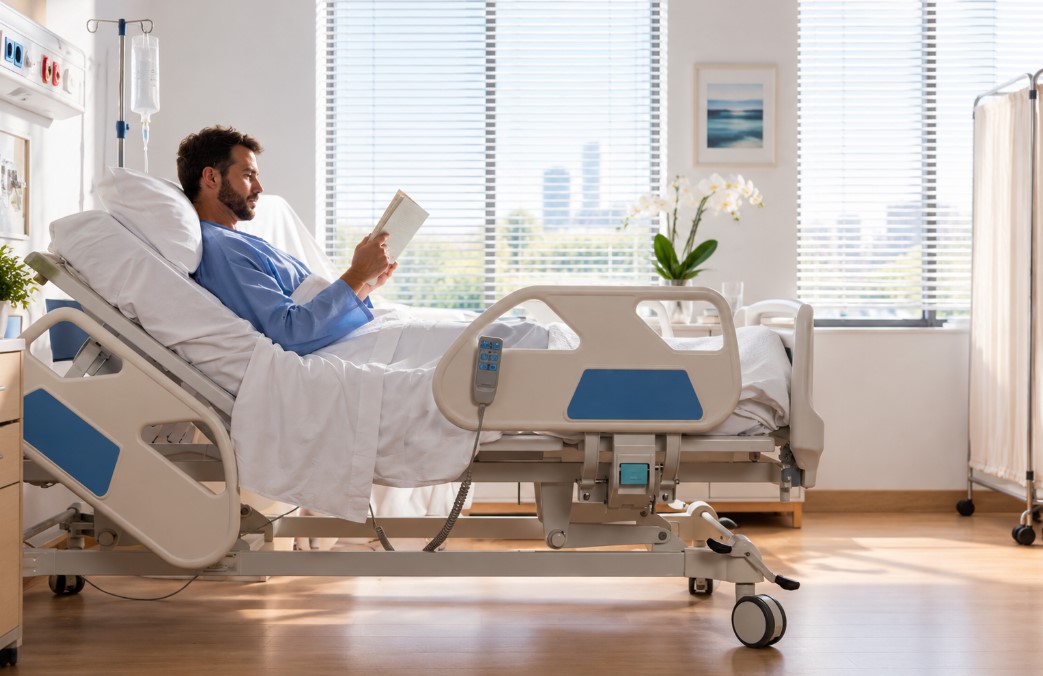
One of the main impacts of medical tourism on hospital accommodation is the emphasis on comfort and privacy. International patients often expect amenities similar to those of high-end hotels, including private rooms with en-suite bathrooms, climate control, entertainment options, and high-speed internet. Hospitals are increasingly designing patient rooms to offer a more hotel-like experience, blending clinical functionality with comfort and aesthetics. This approach helps attract international patients and ensures their recovery environment supports both physical healing and mental well-being.
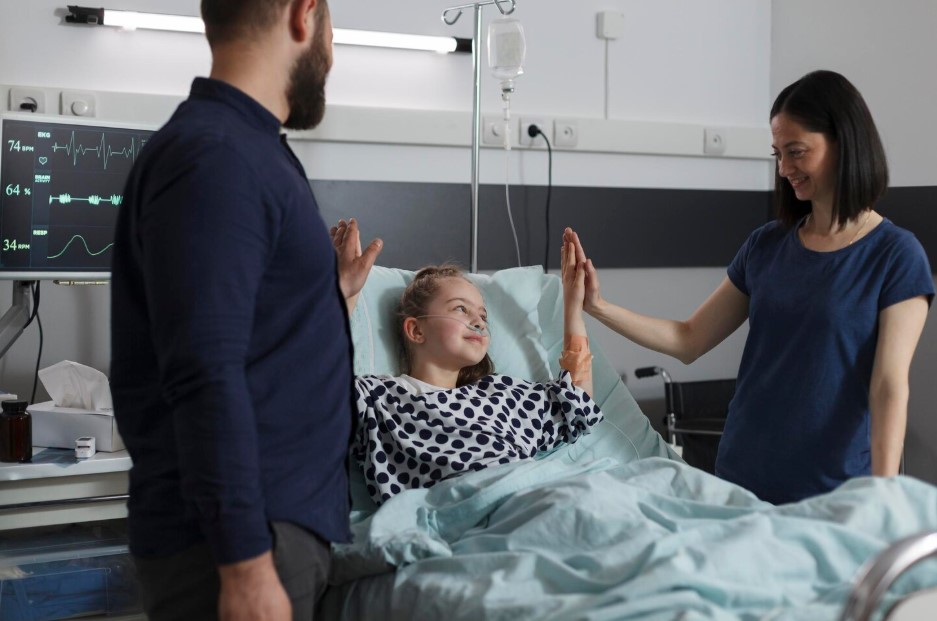
Shared wards, while still common in many public hospitals, are less appealing to medical tourists. To meet rising expectations, hospitals catering to international patients are offering private or semi-private rooms, flexible visiting arrangements, and personalised services. Some hospitals have even introduced suites with separate living areas, allowing family members or companions to stay comfortably during longer treatments.
Cultural and Language Considerations
Accommodation for medical tourists also requires sensitivity to cultural preferences and language differences. Hospitals serving international patients often provide multilingual staff, dietary options that reflect diverse cultural requirements, and spaces that respect religious practices. The ability to adapt the hospital environment to meet these needs is now a significant component of patient care. Comfortable accommodation reduces stress for patients who may already be anxious due to travel, unfamiliar surroundings, or the seriousness of their medical conditions.
Extended Stays and Specialised Facilities
Certain treatments, such as rehabilitation, post-operative recovery, or cancer therapies, require extended hospital stays. Medical tourists undergoing these procedures expect accommodation that supports long-term care, including comfortable furniture, personal storage, access to nutrition services, and recreational spaces. Hospitals have responded by creating flexible ward designs and dedicated recovery suites that cater to patients who will be staying for longer periods. This trend has led to a rethinking of hospital layouts, ensuring that space, light, and privacy are optimised for extended stays.
Economic and Competitive Implications
The rise of medical tourism has also created competition among hospitals to provide superior accommodation and patient experiences. Hospitals that can combine excellent medical care with comfortable, convenient, and culturally aware accommodation are more likely to attract international patients. This has led to investments in facility upgrades, patient-focused interior design, and services like concierge support, airport transfers, and tourism coordination.
Beyond financial gains, improving hospital accommodation has a wider benefit: it raises the standard of care for all patients. Domestic patients often benefit from the same upgraded rooms, private suites, and attention to comfort and privacy that were initially developed to meet the expectations of international visitors.
Future Trends
As medical tourism continues to grow, hospital accommodation is likely to evolve further. Technological integration, such as smart room controls, telemedicine access, and digital patient entertainment systems, is becoming a key feature. Hospitals are also exploring sustainable designs that incorporate natural light, green spaces, and quieter environments—elements shown to support faster recovery.
The impact of medical tourism is clear: hospitals are no longer just clinical spaces. They are now multifaceted environments that must balance medical efficiency, patient comfort, cultural sensitivity, and hospitality. These changes are redefining what patients expect from hospital accommodation, influencing both domestic and international standards of care.
Conclusion
Medical tourism has reshaped the healthcare landscape, driving hospitals to rethink accommodation and patient experience. From private rooms with luxury amenities to culturally sensitive services and long-term recovery facilities, hospitals are responding to the needs of an increasingly mobile patient population. While the clinical quality of care remains paramount, the rise of medical tourism highlights the importance of environment, comfort, and personalised services in supporting patient recovery. As this trend continues, hospital accommodation will play an ever more central role in global healthcare delivery, ensuring that healing is both effective and humane.