09
May 2026
Australia’s New Frailty Framework Aims to Improve Quality of Life for Older Australians
Published in News on May 09, 2026

Australia is taking a major step toward improving the health and wellbeing of older citizens with the introduction of a new national framework designed to prevent and manage frailty among older Australians. Developed through a nationwide collaboration involving healthcare professionals, researchers, caregivers, and older adults themselves, the framework is being hailed as an important milestone in the country’s ageing and healthcare strategy.
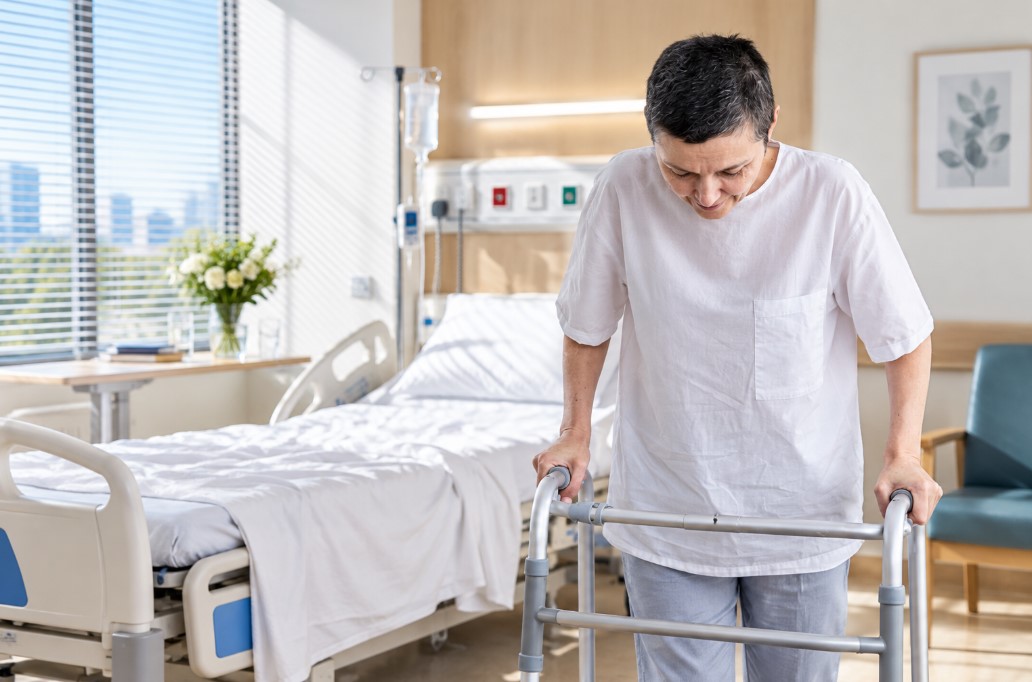
Frailty is increasingly recognised as one of the biggest health challenges facing ageing populations around the world. It is not simply a normal part of ageing, but rather a medical condition associated with reduced physical strength, lower resilience, and increased vulnerability to illness, injury, and hospitalisation. According to Australian health experts, frailty can significantly affect independence, mobility, and overall quality of life if left unmanaged.
The newly introduced Australian Consensus Statements provide 19 recommendations focused on preventing frailty, identifying it earlier, and improving care for older adults already experiencing severe frailty. The initiative was led by researchers from the University of Queensland in partnership with healthcare experts and consumer representatives nationwide.
One of the key goals of the framework is to reduce long-term complications and ease pressure on Australia’s healthcare and aged care systems. Health professionals involved in the project believe that earlier detection and proactive management could help reduce avoidable hospital admissions, improve recovery outcomes, and allow older Australians to remain independent for longer.
The framework focuses on six major pillars: health promotion and screening, nutrition, exercise, social engagement, medication management, and care for severe frailty. Experts are recommending annual frailty screening for Australians aged 65 and above, allowing healthcare providers to identify warning signs before serious health declines occur.
Nutrition is another major focus of the framework. Researchers found that balanced, protein-rich diets can play an important role in delaying or reducing frailty. Malnutrition and poor dietary intake are common contributors to declining health in older adults, particularly those recovering from illness or lengthy hospital stays.
Exercise also forms a central part of the recommendations. The framework encourages personalised exercise programs that combine aerobic activity, resistance training, balance exercises, and functional movement. These programs are designed to maintain mobility, reduce fall risks, and support overall independence.
Importantly, the framework recognises the impact of social isolation on older Australians. Social engagement initiatives and “social prescribing” programs are being encouraged to help seniors remain connected to their communities, families, and support networks. Researchers say loneliness and isolation can contribute significantly to declining physical and mental health.
Medication management is another important area highlighted in the framework. Older adults often take multiple medications for chronic conditions, which can increase the risk of side effects, confusion, and falls. Experts are recommending regular medication reviews involving multidisciplinary healthcare teams to ensure treatments remain appropriate and safe.
The release of the framework comes at a time when Australia is also implementing wider aged care reforms. The Federal Government recently introduced significant aged care investments and reforms under the new Aged Care Act, focusing on improved care quality, stronger protections, and better support systems for older Australians.
Healthcare providers and aged care organisations are expected to play a major role in applying the new frailty recommendations across hospitals, community care, and residential aged care settings. Many experts believe that a preventative approach could reduce healthcare costs while improving patient outcomes and quality of life.
For families supporting ageing loved ones, the framework also highlights the importance of planning ahead and accessing suitable support services early. As more Australians choose to age at home or recover from medical procedures outside traditional hospital environments, the demand for flexible and comfortable recovery options continues to grow.
This is where suitable hospital stay accommodation for patients becomes increasingly valuable. Families travelling for medical treatment, rehabilitation, or specialist appointments often require accommodation that provides comfort, accessibility, and a home-like environment during recovery periods. Fully furnished accommodation options can offer practical support for patients and carers who need extended stays near hospitals or healthcare facilities.
The new framework sends a clear message that healthy ageing requires more than simply treating illness after it occurs. Prevention, early action, social connection, proper nutrition, and personalised care all play important roles in helping older Australians remain active and independent for longer.
As Australia’s population continues to age, initiatives like the national frailty framework could become essential in shaping a more sustainable and compassionate healthcare system. By recognising frailty earlier and supporting older adults through proactive care strategies, Australia hopes to improve wellbeing while reducing the growing pressure on hospitals and aged care services nationwide.